Sleeping Positions and Health: Back, Side, or Stomach – Which Is Best for You?
We spend a third of our lives sleeping – and the position we choose affects far more than just comfort.
Disclosure: This article contains affiliate links. If you make a purchase through these links, we may earn a commission at no extra cost to you. Learn more
Sleeping positions affect more than just comfort – they influence your spine, breathing, and digestion every single night. Most people have a preferred position they automatically return to, changing 10-30 times per night with one position dominating. Choosing the right one can make a real difference in how you feel each morning.
Side Sleeping – The Classic
About 60% of people prefer sleeping on their side. It's the most natural position and has several health benefits.
Left Side
- Advantages: Promotes digestion (stomach is on the left), can reduce heartburn, takes pressure off the vena cava (important during pregnancy)
- Disadvantages: Pressure on heart (but harmless for most people)
Right Side
- Advantages: Less pressure on the heart
- Disadvantages: Can worsen heartburn (stomach opening faces up)
The Pillow Problem for Side Sleepers
The biggest disadvantage of side sleeping: The shoulder gets in the way. This creates a large gap between head and mattress. A pillow that's too flat causes the neck to bend. A pillow that's too high pushes the head up. A good side sleeper pillow* optimally fills the space between shoulder and head.
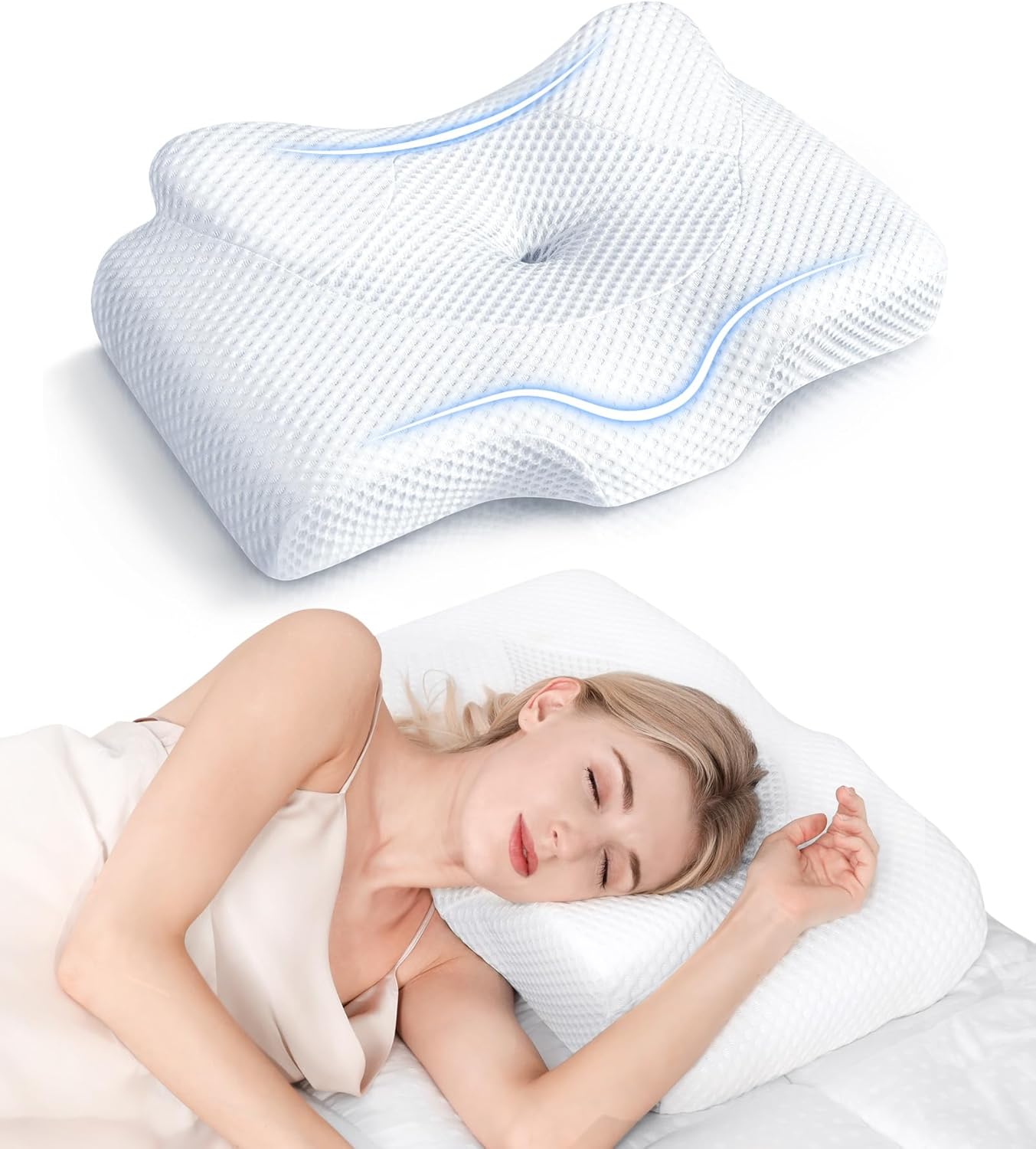
- ✓ Hollow center reduces head pressure
- ✓ Memory foam with cooling cover
- ✓ Adjustable height inserts
- ✓ Reduces neck and back pain
Back Sleeping – The Spine's Friend
About 10-15% of people sleep primarily on their back. Orthopedically, it's often the best position.
Advantages
- Spine in neutral position
- No pressure on shoulders or hips
- Fewer facial wrinkles (no pressure on cheeks)
- Good for back pain (with pillow under knees)
Disadvantages
- Promotes snoring and sleep apnea (tongue falls back)
- Not ideal for heartburn
- Not recommended in late pregnancy
For back sleepers, a cervical support pillow* with a hollow for the back of the head is suitable.
Stomach Sleeping – The Problem Case
Only about 7% of people prefer sleeping on their stomach. Orthopedists view this position critically.
Advantages
- Can reduce snoring
- Some people feel most secure this way
Disadvantages
- Head is turned to the side all night (neck tension)
- Spine in unnatural hyperextension
- Pressure on internal organs
- Can cause tingling in arms and hands
If you're a stomach sleeper and want to change: A body pillow* to cuddle can make the transition to side sleeping easier.
The Fetal Position – The Extreme
A variant of side sleeping: Tightly curled up, knees pulled to chest. Psychologically perhaps cozy, but orthopedically problematic.
- Restricted breathing (diaphragm compressed)
- Rounded back strains spine
- Can lead to morning stiffness
Better: A relaxed side position with slightly bent legs.
Which Position for Which Problem?
For Back Pain
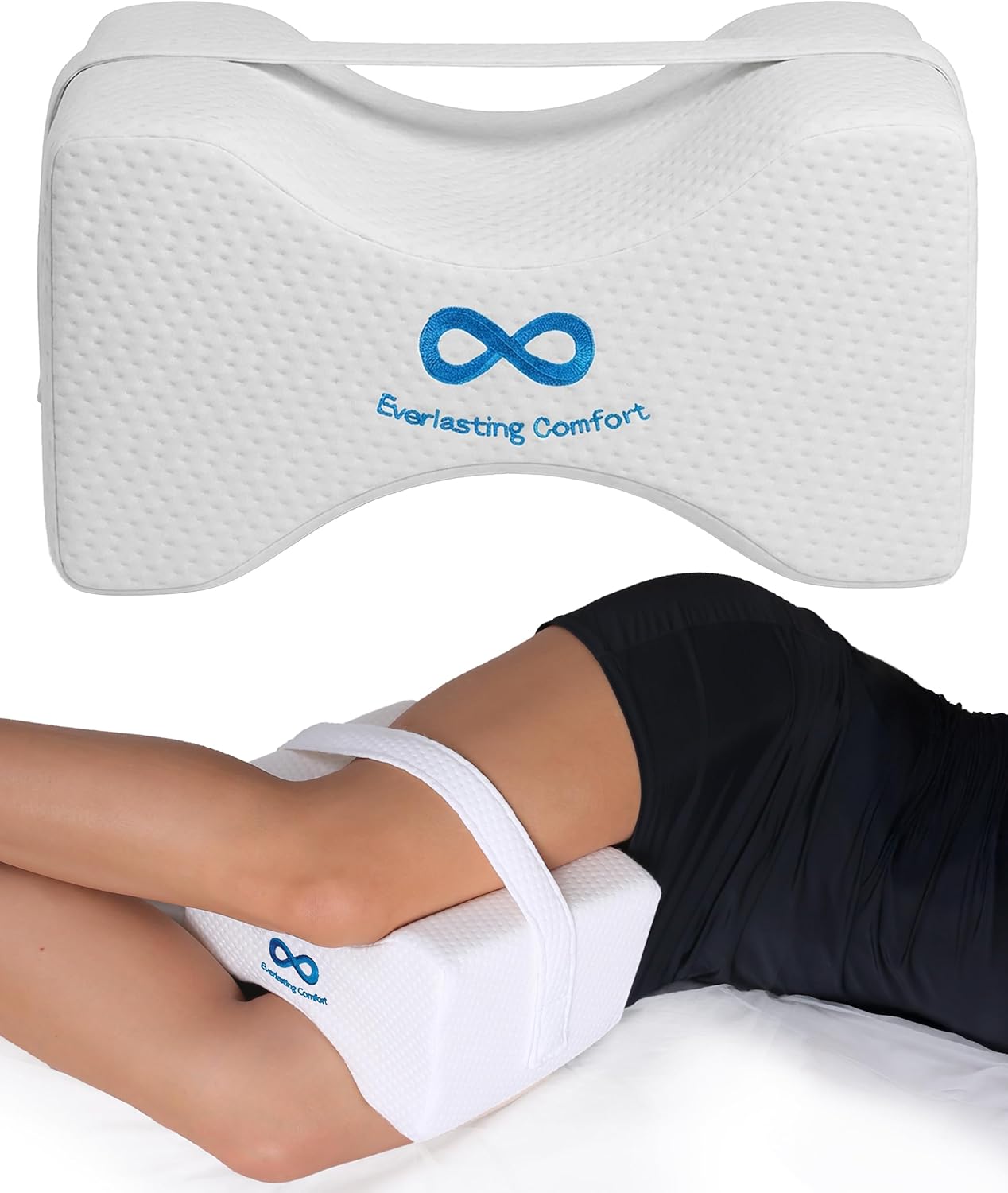
Back sleeping with a pillow under the knees or side sleeping with a pillow between the knees. Both relieve the lumbar spine.
For Snoring or Sleep Apnea
Side sleeping. There are even positional pillows* and other aids that prevent rolling onto your back.
For Heartburn
Left side sleeping and upper body slightly elevated (wedge pillow or raising the head of the bed).
During Pregnancy
Left side sleeping, especially in the last trimester. A pregnancy pillow* relieves the vena cava and improves blood flow to baby and placenta.
Can You Change Your Position?
Yes, but it takes time. The body unconsciously returns to the familiar position. Aids like body pillows or positional pillows can make the transition easier. More importantly: If you sleep well and have no complaints, there's no reason to change position.
Pillows for Every Sleeping Position
Ad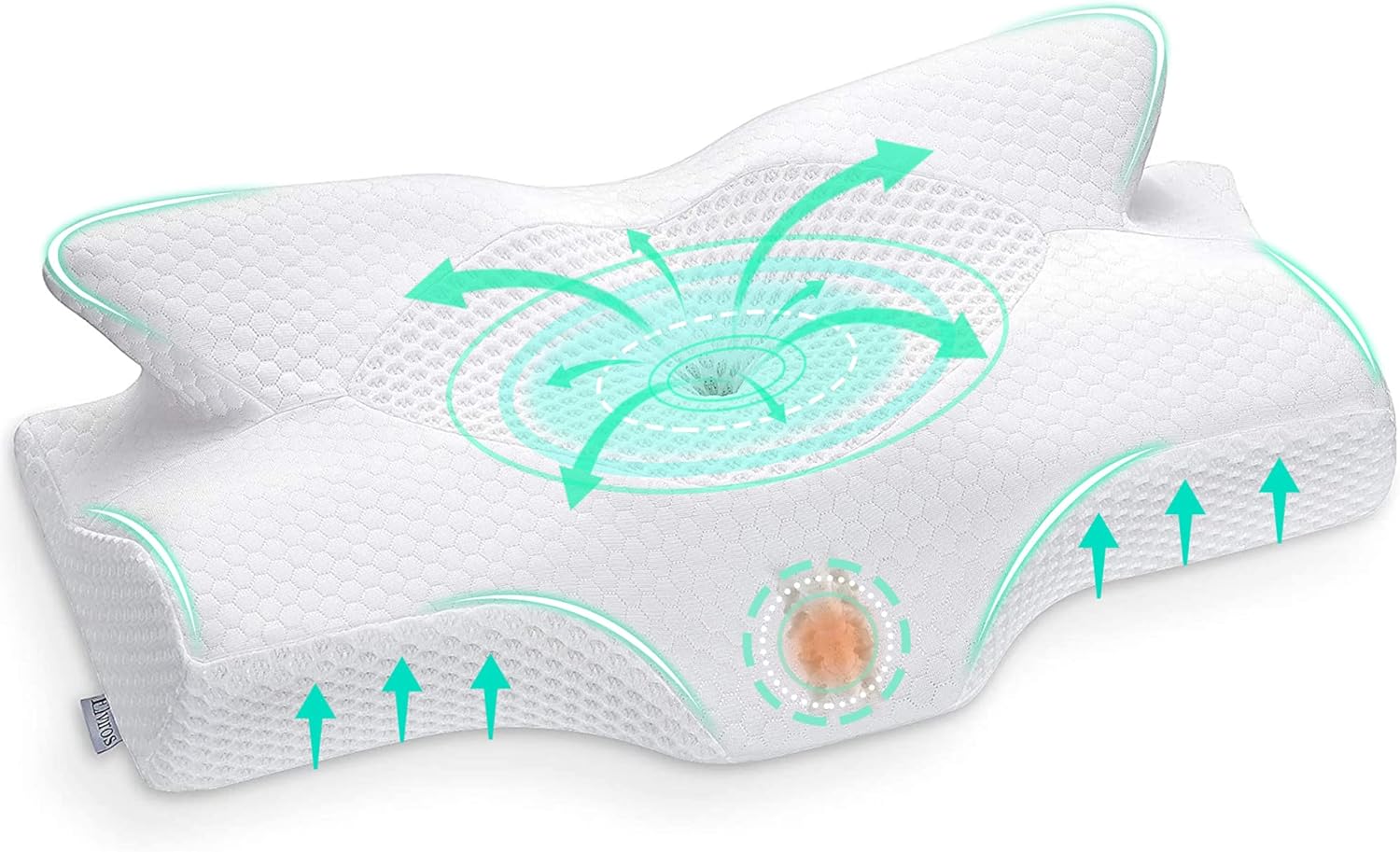
* Affiliate links to Amazon. We may earn a commission on purchases – at no extra cost to you.
Book Recommendation: The Science of Sleep
"Why We Sleep" by Matthew Walker* also explains what happens in the body during sleep and why position matters. Available as an audiobook on Audible*.
Read More:
Sources & Further Reading
- Skarpsno, Eivind S. et al. (2017): Sleep positions and nocturnal body movements based on free-living accelerometer recordings: association with demographics, lifestyle, and insomnia symptoms. Nature and Science of Sleep, 9, 267-275. DOI: 10.2147/NSS.S145777
- Ravesloot, Madeline J. L. et al. (2016): Positional OSA part 2: retrospective cohort analysis with a new classification system (APOC). Sleep and Breathing, 20(2), 881-888. DOI: 10.1007/s11325-015-1206-y
- Khoury, Rima M. et al. (1999): Influence of spontaneous sleep positions on nighttime recumbent reflux in patients with gastroesophageal reflux disease. The American Journal of Gastroenterology, 94(8), 2069-2073. DOI: 10.1111/j.1572-0241.1999.01279.x
- American Academy of Sleep Medicine: aasm.org
* Affiliate Links: Links marked with * are affiliate links. If you purchase through these links, we receive a small commission – the price for you remains unchanged.