Sleep Hygiene Tips: 10 Habits for Better, More Restful Sleep
Good sleep doesn't start in bed. These proven sleep hygiene habits will help you wake up refreshed.
Disclosure: This article contains affiliate links. If you make a purchase through these links, we may earn a commission at no extra cost to you. Learn more
Good sleep hygiene tips can transform the quality of your rest – whether you wake up at 4 AM as a baker or at 7 AM for an office job. Sleep hygiene refers to all the habits and environmental factors that promote deep, restorative sleep, and most people are only using a fraction of them.
1. Maintain Regular Sleep Times
Your body loves routine. Go to bed and wake up at the same time every day – even on weekends. This stabilizes your circadian rhythm.
2. Darken Your Bedroom
Light inhibits melatonin production. Blackout curtains* or a sleep mask* can help. Especially important for shift workers who need to sleep during the day.
3. The Right Temperature
60-65°F (16-18°C) is optimal for the bedroom. Too warm is worse than too cold – when in doubt, add another blanket. In summer heat, a quiet fan* can help.
4. Avoid Screens Before Bed
Blue light from smartphones and laptops suppresses melatonin. Ideally, no screens 1-2 hours before sleep. If that's not possible, blue light blocking glasses* or your device's night mode can help.
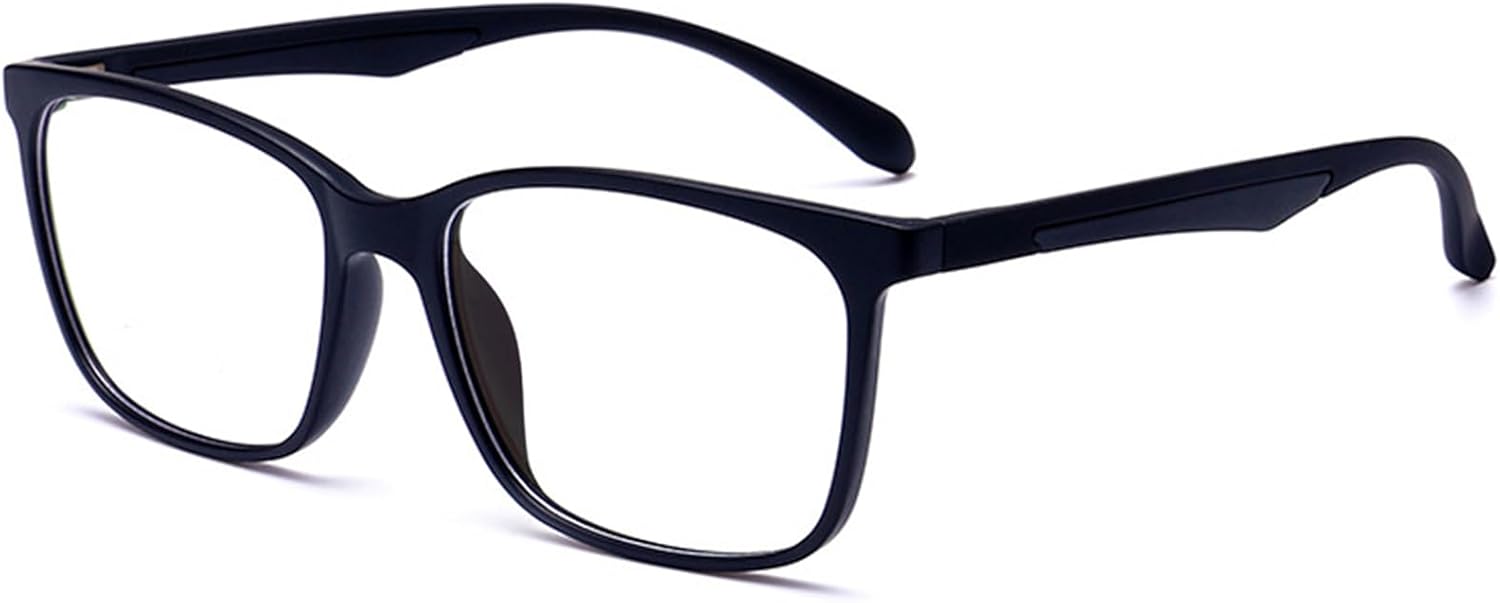
- ✓ Effectively filters blue light
- ✓ Lightweight everyday design
- ✓ Relaxes eyes in the evening
- ✓ 33,000+ 5-star reviews
5. Stop Caffeine in Time
Caffeine has a half-life of 5-6 hours. Your last cup of coffee should be at least 8 hours before bedtime. Note: Tea, cola, and chocolate also contain caffeine.
6. The Right Mattress and Pillow
You spend a third of your life in bed – it's worth the investment. A good mattress should be replaced after 8-10 years. For neck problems, an ergonomic neck pillow* can help.
7. Establish Relaxation Rituals
A consistent evening ritual signals to your body: it's bedtime! This could be reading, light stretching, meditation, or a warm bath. A sleep journal* can help identify patterns and improve sleep.
Many swear by calming music or guided meditations for falling asleep. Amazon Music Unlimited* offers special sleep playlists and relaxation sounds – from nature sounds to gentle instrumental music.
8. Avoid Late Meals
Heavy meals close to bedtime burden digestion. The last big meal should be 2-3 hours before sleep. A light snack is okay.
9. Exercise – But Not Too Late
Regular exercise demonstrably improves sleep. But: Intense workouts right before bed can keep you awake. Optimal is exercise in the afternoon or early evening.
10. White Noise for Noisy Environments
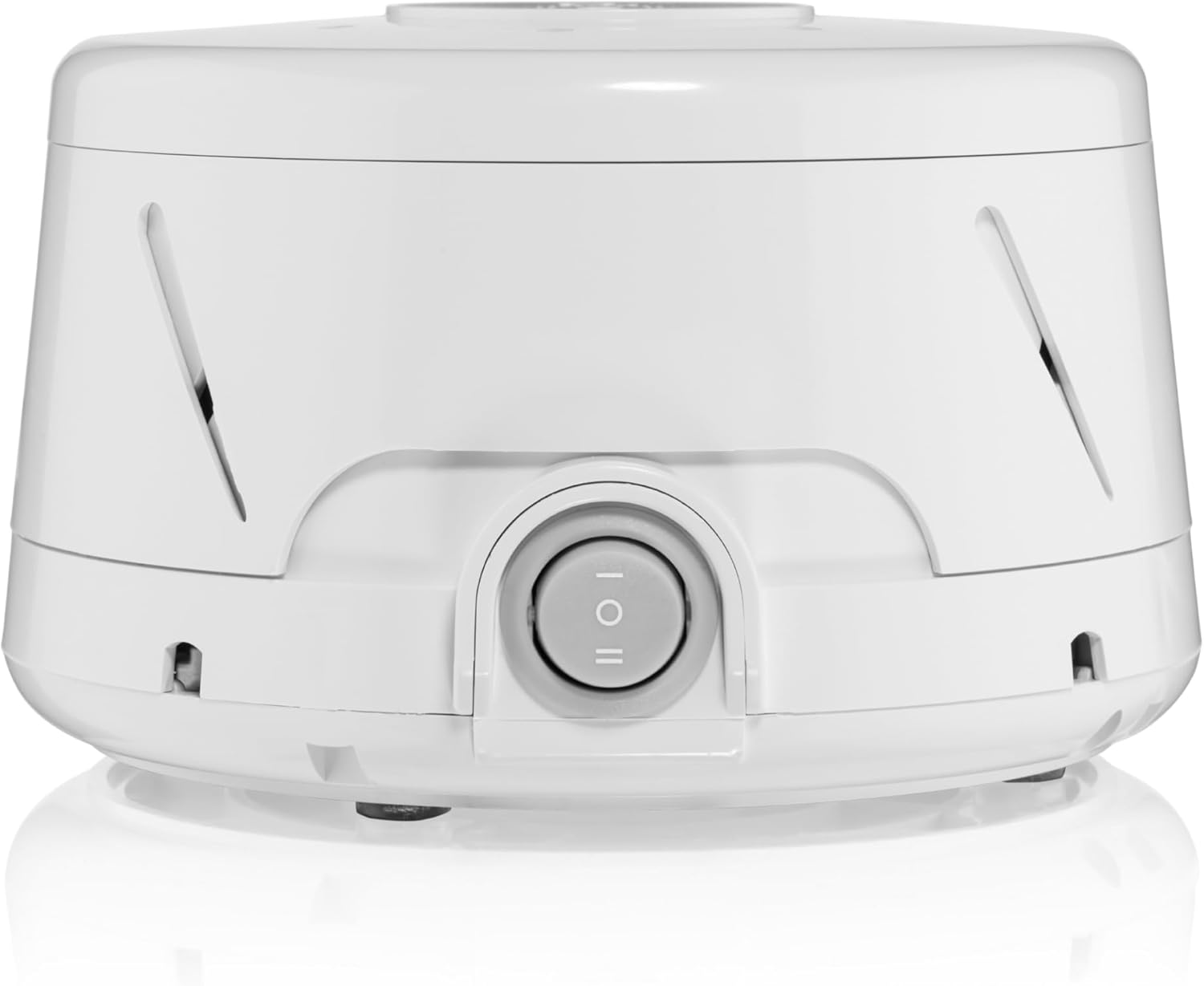
If you live on a loud street or have a snoring partner, white noise often helps. White noise machines* or corresponding apps can mask disturbing sounds.
Sleep Hygiene Tools Compared
Ad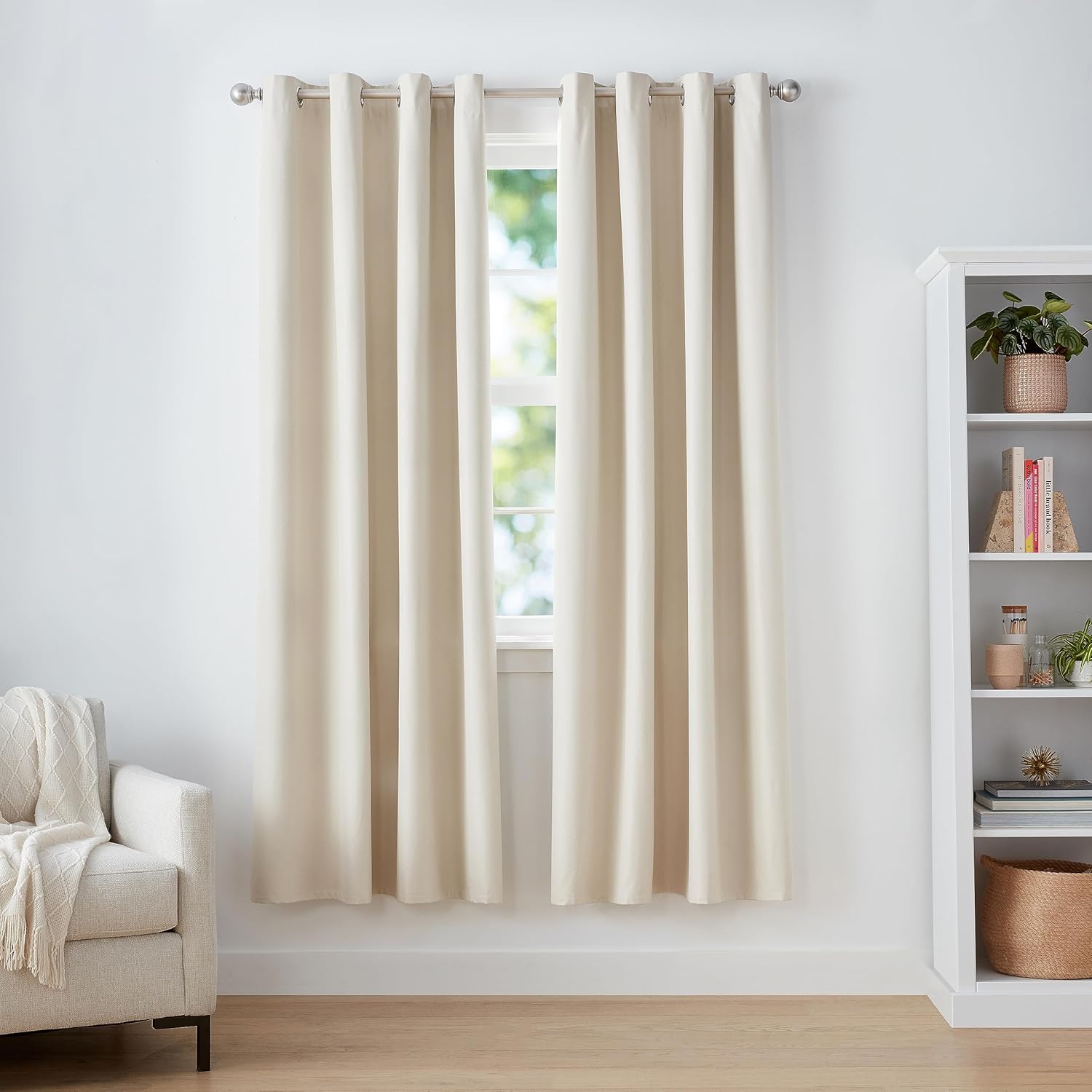
* Affiliate links to Amazon. We may earn a commission on purchases – at no extra cost to you.
Conclusion
Good sleep hygiene costs little but pays off enormously. Start with 2-3 tips and gradually add more. Your morning self will thank you!
Book Recommendation: The Science of Sleep
For those who want to learn more: "Why We Sleep" by Matthew Walker* is the definitive work on the subject – engagingly written and full of practical insights. The book is also available as an audiobook on Audible*.
Frequently Asked Questions
What is sleep hygiene and why does it matter?
What temperature should a bedroom be for good sleep?
How long before bed should you stop using screens?
Does caffeine really affect sleep quality?
How quickly can you improve your sleep hygiene?
Read More:
Sources & Further Reading
- Hirshkowitz, Max et al. (2015): National Sleep Foundation's Sleep Time Duration Recommendations: Methodology and Results Summary. Sleep Health, 1(1), 40-43. DOI: 10.1016/j.sleh.2014.12.010
- Walker, Matthew P. (2009): The Role of Sleep in Cognition and Emotion. Annals of the New York Academy of Sciences, 1156(1), 168-197. DOI: 10.1111/j.1749-6632.2009.04416.x
- American Academy of Sleep Medicine: aasm.org – Sleep Education
- CDC Sleep and Sleep Disorders: cdc.gov/sleep
* Affiliate Links: Links marked with * are affiliate links. If you purchase through these links, we receive a small commission – the price for you remains unchanged. This helps us fund this website. Thank you for your support!