Silk Pillowcase for Hair and Skin: Why Your Pillowcase Material Makes an Overnight Difference
"Beauty sleep" – a cute term or is there more to it? At least when it comes to pillowcase material, it makes a difference.
Disclosure: This article contains affiliate links. If you make a purchase through these links, we may earn a commission at no extra cost to you. Learn more
A silk pillowcase can protect your hair from frizz and your skin from sleep wrinkles overnight – and that's not just a beauty myth, it's physics. You know the phenomenon: wake up and your hair looks like it spent the night in a storm. Wild tangles, frizz, strange creases. It doesn't have to be that way, and the solution is surprisingly simple.
The Problem with Cotton
Most pillowcases are made of cotton. Cotton is great: breathable, easy to care for, affordable. But the rough texture has downsides:
- Friction: The fibers "grab" hair and skin. With every movement during sleep, friction occurs.
- Moisture wicking: Cotton absorbs moisture – including from your skin and hair.
- Hair breakage: Especially with curly or dry hair, nighttime friction can lead to split ends and breakage.
What Silk Does Differently
Silk (and satin as a synthetic alternative) has a smooth surface. Hair glides over the material instead of rubbing against it. The benefits:
For Hair
- Less friction = less breakage and split ends
- Curls and waves stay more defined
- Less frizz and "bed head"
- Moisturizing hair treatments stay in your hair instead of your pillow
For Skin
- Smoother surface = fewer "sleep lines" on your face
- Draws less moisture from skin
- Night creams stay on your skin instead of in the fabric
- Less irritation for sensitive skin
Silk vs. Satin: What's the Difference?
"Silk" is a material (natural fiber from silkworms). "Satin" is a weave (shiny on one side). There's satin made of silk – but also made of polyester.
Real Silk (Mulberry Silk)
Mulberry silk pillowcases* are considered the gold standard.
- Advantages: Natural, temperature-regulating, hypoallergenic, contains amino acids (good for skin)
- Disadvantages: Expensive (starting at $30-50 for a pillowcase), delicate care, hand wash recommended
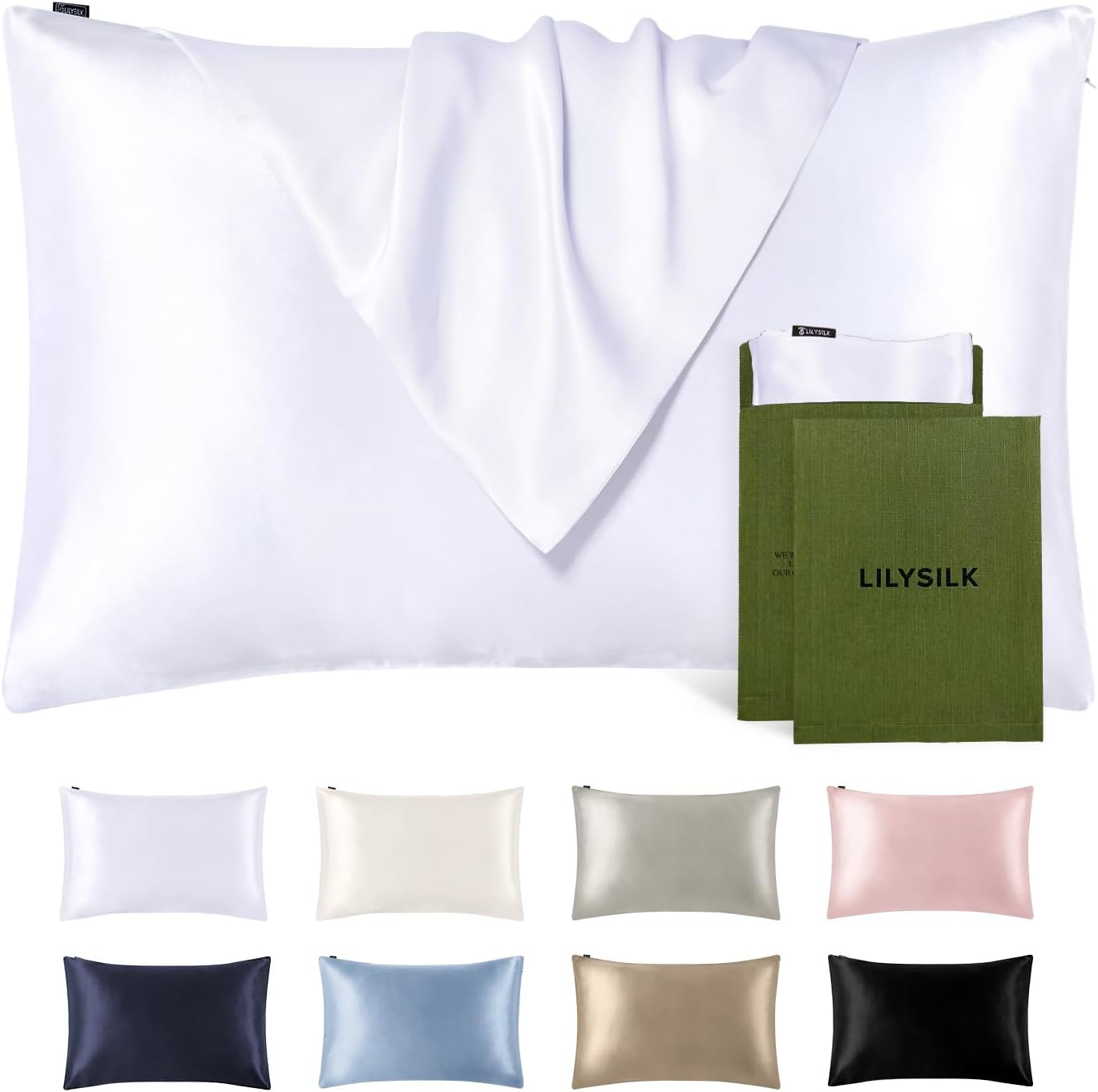
- ✓ 100% mulberry silk, 19 momme
- ✓ Both sides pure silk
- ✓ Hidden zipper, standard 20"x26"
- ✓ Reduces hair breakage and frizz
Satin (Polyester)
The more affordable alternative: Satin pillowcases* offer similar glide properties.
- Advantages: Affordable (starting at $10), easy care, machine washable, similar glide effect
- Disadvantages: Not breathable (can be uncomfortable in heat), no natural properties
What to Look for When Buying?
For Silk: Momme Count
The momme count indicates the density/thickness of silk. For pillowcases, 19-25 momme is ideal. Below 16 momme is too thin and tears easily.
For Satin: Check the Material
Good satin feels smooth but not "plastic-y." Some cheap products lose their smooth surface after a few washes.
Zipper or Envelope Closure?
A hidden zipper is more practical and prevents the cover from coming loose during sleep.
Alternative: Silk Bonnet or Cap
If you don't want to invest in a new pillowcase, you can wear a silk bonnet*. Especially for curls, braids, or chemically treated hair, this is a popular solution.
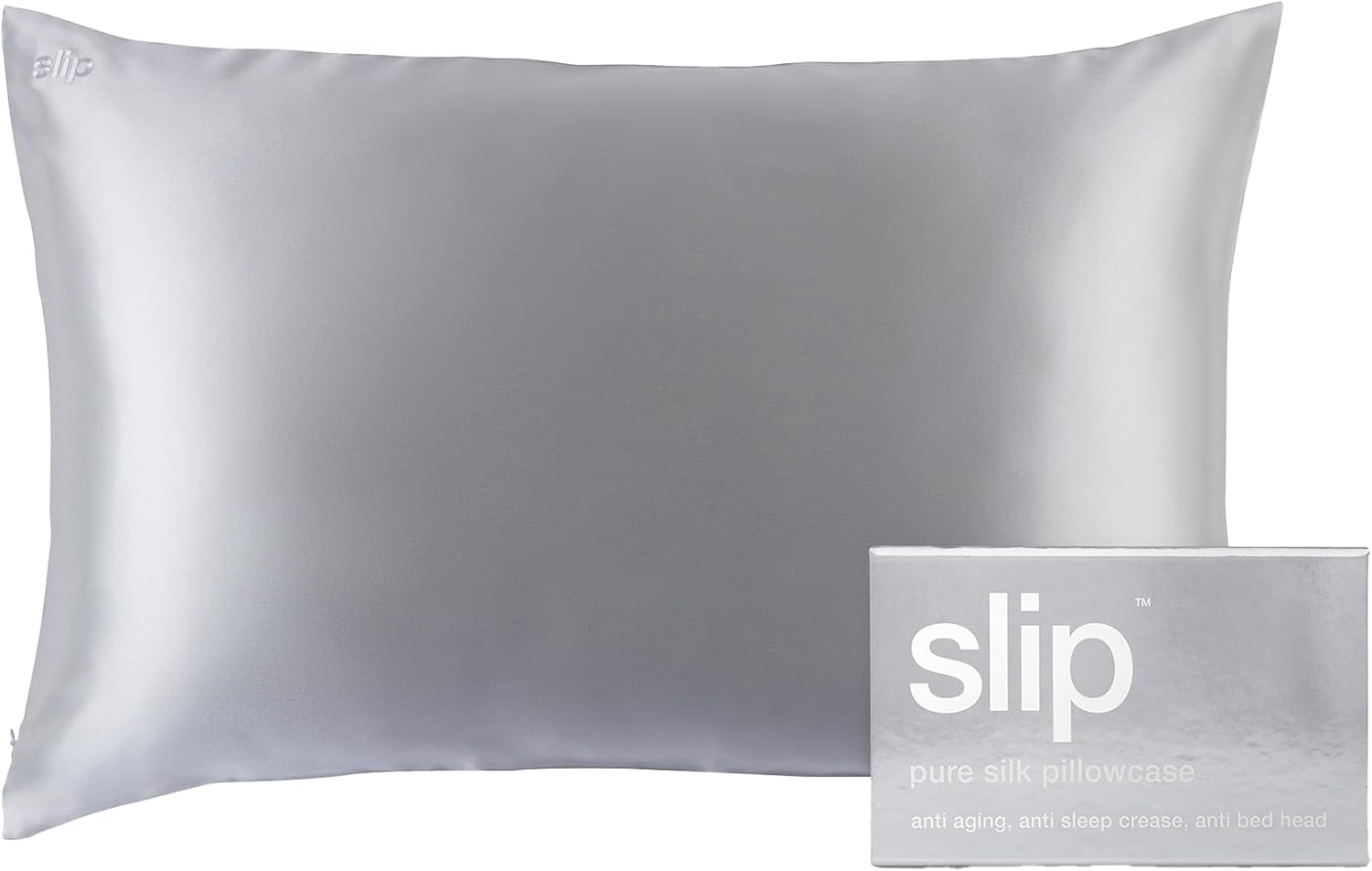
Silk & Satin Pillowcases Compared
Ad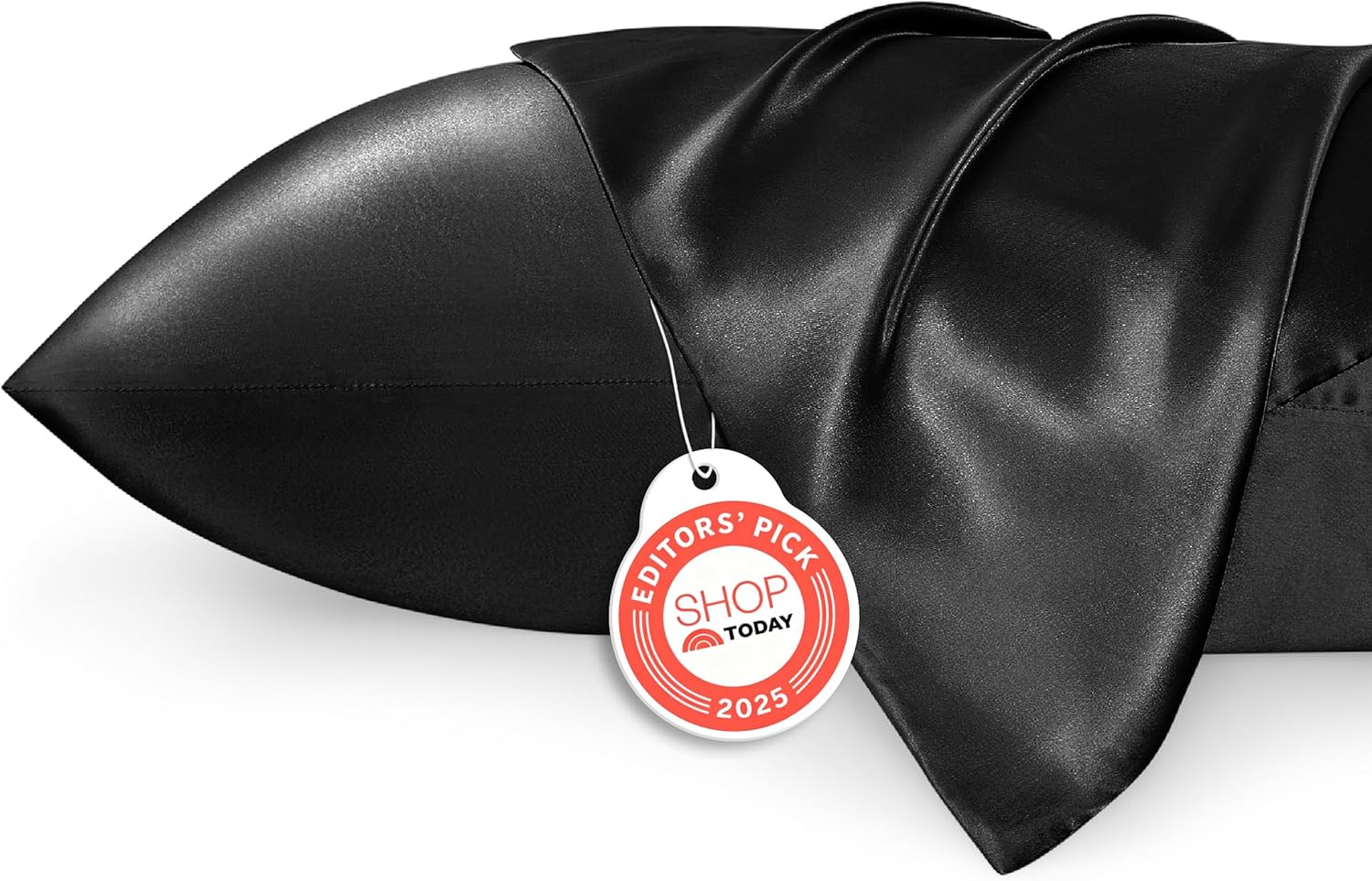
* Affiliate links to Amazon. We may earn a commission on purchases – at no extra cost to you.
Realistic Expectations
A silk pillowcase won't work miracles. It won't make wrinkles disappear or repair damaged hair. But it can:
- Reduce further damage
- Make morning styling easier
- Improve the effect of care products
- Provide a pleasant sleep experience
Book Recommendation: Understanding Beauty Sleep
"Why We Sleep" by Matthew Walker* also explains how sleep affects our skin and appearance. As an audiobook on Audible* – perfect for your evening routine.
Frequently Asked Questions
Does a silk pillowcase actually help hair?
What's the difference between silk and satin pillowcases?
Is a silk pillowcase good for skin?
What momme weight should I look for in a silk pillowcase?
Read More:
Sources & Further Reading
- Robbins, Clarence R. (2012): Chemical and Physical Behavior of Human Hair. 5th ed. Springer. DOI: 10.1007/978-3-642-25611-0
- Gupta, Madhulika A., Simpson, Fiona C. & Gupta, Aditya K. (2016): Sleep-wake disorders and dermatology. Clinics in Dermatology, 34(2), 156-163. DOI: 10.1016/j.clindermatol.2015.11.006
* Affiliate Links: Links marked with * are affiliate links. If you purchase through these links, we receive a small commission – the price for you remains unchanged.