Shift Work and Health: How to Stay Fit Despite Night and Rotating Shifts
Around 15 million Americans work shifts. Here are the best strategies for health and well-being.
Disclosure: This article contains affiliate links. If you make a purchase through these links, we may earn a commission at no extra cost to you. Learn more
Shift work and health is a daily balancing act for millions of workers worldwide – and the stakes are real. Nurses, police officers, factory workers, bakers – they all know the fight against their own biorhythm. Shift work is often unavoidable, but with the right strategies, it's much more manageable.
The Problem with Shift Work
Our body is programmed for a day-night rhythm. Working against this rhythm risks long-term health problems: sleep disorders, digestive issues, increased risk for cardiovascular disease, and even depression.
Sleeping in Daylight: The Biggest Challenge
Having to sleep after the night shift when the sun is shining is tough. Your body produces less melatonin in light. The solution: Make your bedroom as dark as possible.
Blackout curtains* can be a worthwhile investment. Combined with a sleep mask* and earplugs*, it's easier to sleep during the day.
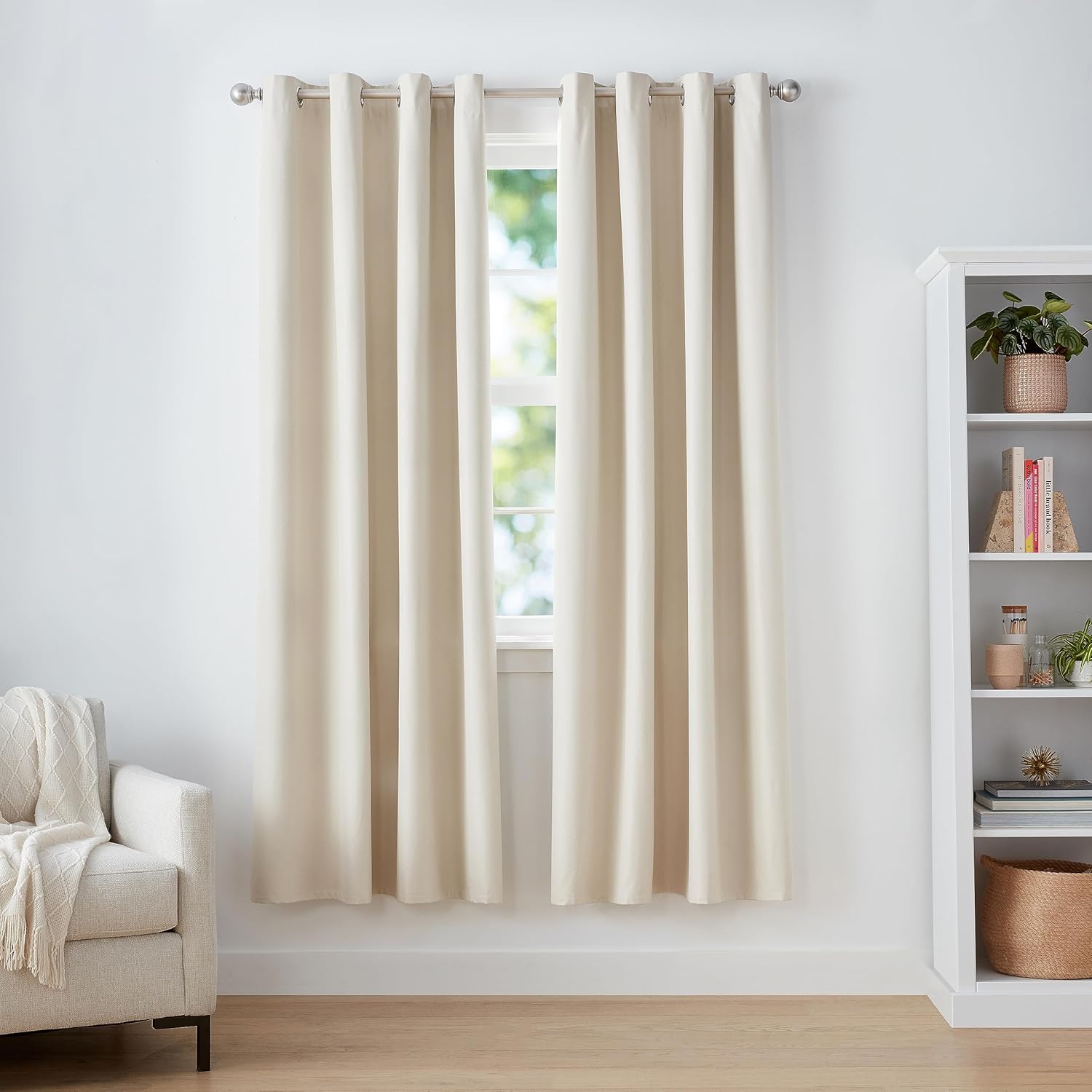
- ✓ Room darkening blackout
- ✓ US sizing 52x84 inches, 2 panels
- ✓ Multiple colors available
- ✓ Easy grommet installation
The Right Glasses for Night Shift
Blue light blocking glasses* can help not just at the computer. Worn on the way home after night shift, they signal to the body: It's time to sleep. The blue light from morning light would otherwise wake you up.
Nutrition During Shift Work
At night, your digestive system runs on low power. Heavy meals at 3 AM aren't a good idea. Better: Light snacks like nuts, fruit, or yogurt.
With meal prep containers*, you can prepare food in advance. This way you avoid unhealthy cafeteria food or fast food.
Use Caffeine Strategically
Coffee is your friend – but only in the first half of the shift. Don't drink caffeine 4-5 hours before your shift ends, otherwise you won't be able to sleep afterward. A insulated bottle* keeps your coffee warm for the whole shift.
Light Therapy for Rhythm
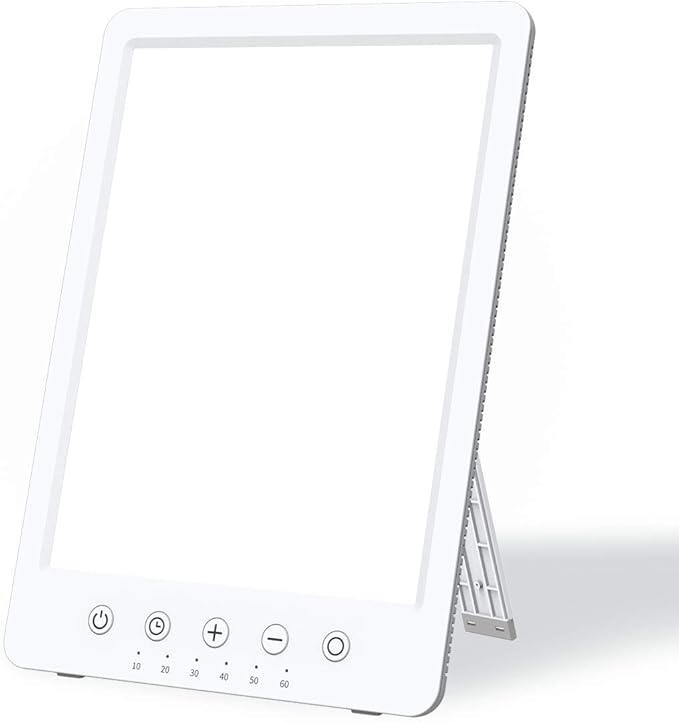
Light therapy lamps* can help adjust your body to the new rhythm. Used at the beginning of your "awake phase," they can support alertness.
Don't Neglect Social Contacts
Shift workers are often isolated because their rhythm doesn't match the rest of society. Consciously plan time for family and friends – even if it means sleeping less sometimes. Social contacts are important for mental health.
Entertainment for the Night Shift
Long nights need activities for quiet phases. Audible* offers thousands of audiobooks and podcasts – perfect for monotonous tasks. Amazon Music Unlimited* can also help get you through the night – with music that keeps you alert without being disruptive.
When to See a Doctor?
If despite all measures you still can't sleep, are constantly tired, or develop depressive symptoms, talk to your doctor. There are specialized shift work consultations and sleep medicine specialists who can help.
Book Recommendation: Understanding Sleep and Rhythm
"Internal Time" by Till Roenneberg* explains the science behind the circadian rhythm – essential for every shift worker. Also recommended: "Why We Sleep" by Matthew Walker*.
Shift Worker Essentials
Ad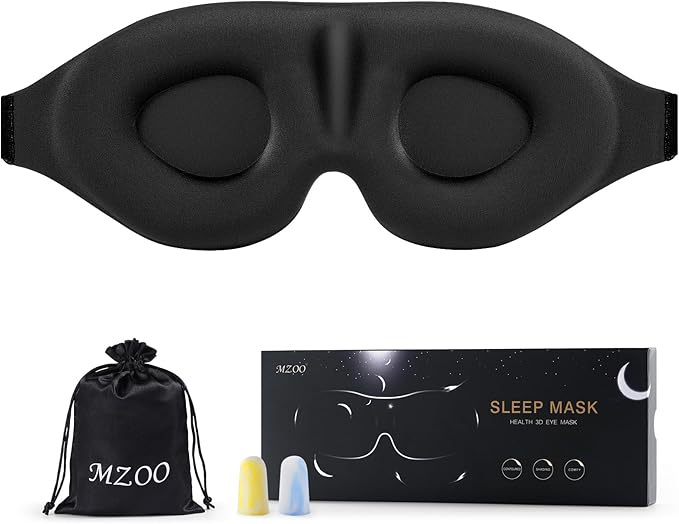
* Affiliate links to Amazon. We may earn a commission on purchases – at no extra cost to you.
Help for Problems
- Occupational health: First point of contact for health problems from shift work
- OSHA: Guidance on workplace safety and health
- Sleep clinic: AASM Accredited Sleep Center Search
Frequently Asked Questions
How bad is shift work for your health?
How do you sleep well after a night shift?
What should you eat during night shift?
How long does it take to adjust to shift work?
Does light therapy help shift workers?
Sources & Further Reading
- Akerstedt, Torbjörn (2003): Shift Work and Disturbed Sleep/Wakefulness. Occupational Medicine, 53(2), 89-94. DOI: 10.1093/occmed/kqg046
- Boivin, Diane B. et al. (2022): Disturbance of the Circadian System in Shift Work and Its Health Impact. Journal of Biological Rhythms, 37(1), 3-28. DOI: 10.1177/07487304211064218
- CDC: Work Schedules: Shift Work and Long Work Hours
- OSHA: osha.gov – Workplace Safety
* Affiliate Links: Links marked with * are affiliate links. If you purchase through these links, we receive a small commission – the price for you remains unchanged.