Mattress Guide: Firm or Soft – What Side, Back, and Stomach Sleepers Actually Need
"A firm mattress is good for your back" – this advice persists. Science says: It's more complicated.
Disclosure: This article contains affiliate links. If you make a purchase through these links, we may earn a commission at no extra cost to you. Learn more
A good mattress guide does one thing: it helps you stop waking up exhausted despite 8 hours of sleep. The search for the right mattress is an odyssey: innerspring, cold foam, latex, memory foam – and then firmness levels from soft to extra firm. No wonder many people keep sleeping on the wrong mattress and wonder why they feel wrecked every morning.
The Myth of the Firm Mattress
Generations grew up with the advice: "Firm is good for your back." The reality is more nuanced. A mattress that's too firm can be just as problematic as one that's too soft. The body needs support in the right places – and give in others.
The spine has a natural S-curve. A good mattress maintains this shape, whether you sleep on your back, side, or stomach. If the mattress is too firm, pressure points develop at shoulders and hips. If it's too soft, the spine sags.
What Mattress Types Are There?
Innerspring Mattresses
The classic: Steel springs inside provide support. There are simple Bonnell spring systems and high-quality pocket coil mattresses*, where each spring is individually wrapped in fabric.
- Advantages: Good ventilation, durable, good for people who sleep hot
- Disadvantages: Transfer motion (disturbing for restless partners), heavy
Foam Mattresses
Open-cell foam that conforms well to the body. Modern zoned foam mattresses* have different zones with varying firmness levels.
- Advantages: Good point elasticity, lightweight, suitable for allergy sufferers
- Disadvantages: Retain heat (not ideal for hot sleepers), need good ventilation
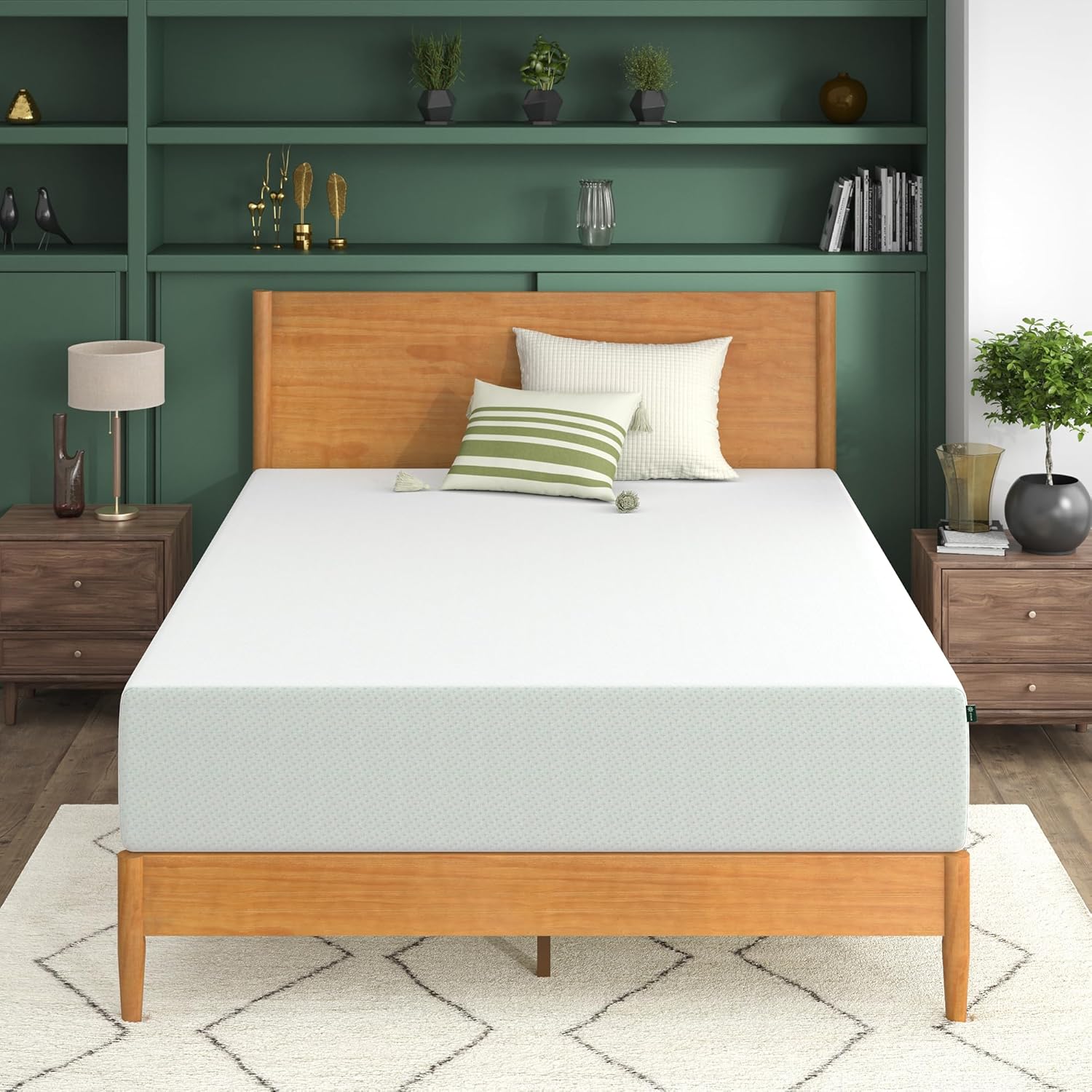
- ✓ CertiPUR-US certified foam
- ✓ Green tea & charcoal for freshness
- ✓ Zoned comfort layers
- ✓ Ships compressed in a box
Memory Foam Mattresses
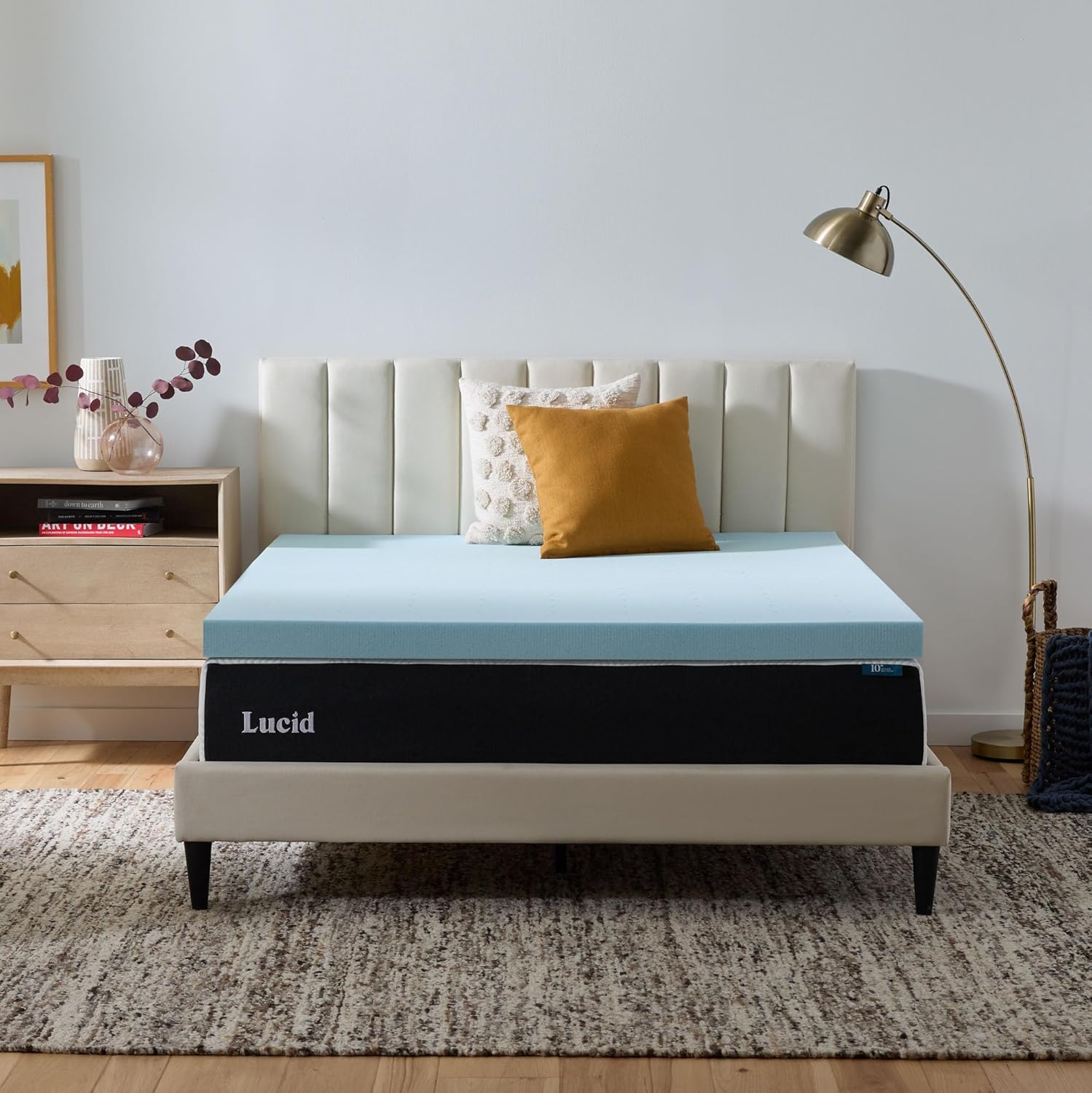
Memory foam mattresses* respond to body heat and conform to your shape. The typical "sinking in" feeling can be unfamiliar at first.
- Advantages: Excellent pressure relief, good for back problems
- Disadvantages: Responds slowly (delayed position changes), retains heat
Latex Mattresses
Natural or synthetic latex. Very elastic and durable. Natural latex mattresses* are the more sustainable but pricier option.
- Advantages: Very elastic, antibacterial, durable (10-15 years)
- Disadvantages: Heavy, expensive, latex allergy considerations
The Right Firmness Level
Firmness ratings aren't standardized – a "medium" at Manufacturer A can feel completely different than at Manufacturer B. Rough guidelines:
- Soft: For people under 130 lbs
- Medium-soft: For people 130-180 lbs
- Medium-firm: For people 180-230 lbs – the most common firmness
- Firm: For people over 230 lbs
These are guidelines. Personal preferences, sleep position, and body type also play a role. Side sleepers generally need softer mattresses so shoulders and hips can sink in.
When Is a New Mattress Due?
A mattress should be replaced after 8-10 years, even if it still "looks fine." Signs of an overdue mattress:
- Visible impressions or deformations
- Back pain that occurs after waking up
- Poor sleep quality despite sufficient time
- You sleep better in hotels or at friends' houses
The Underrated Bed Base
The best mattress doesn't help much on a bad foundation. A good adjustable bed base* should have adjustable firmness in the pelvic area and match the mattress. For foam and latex mattresses, closer slat spacing is important.
Mattress Types Compared
Ad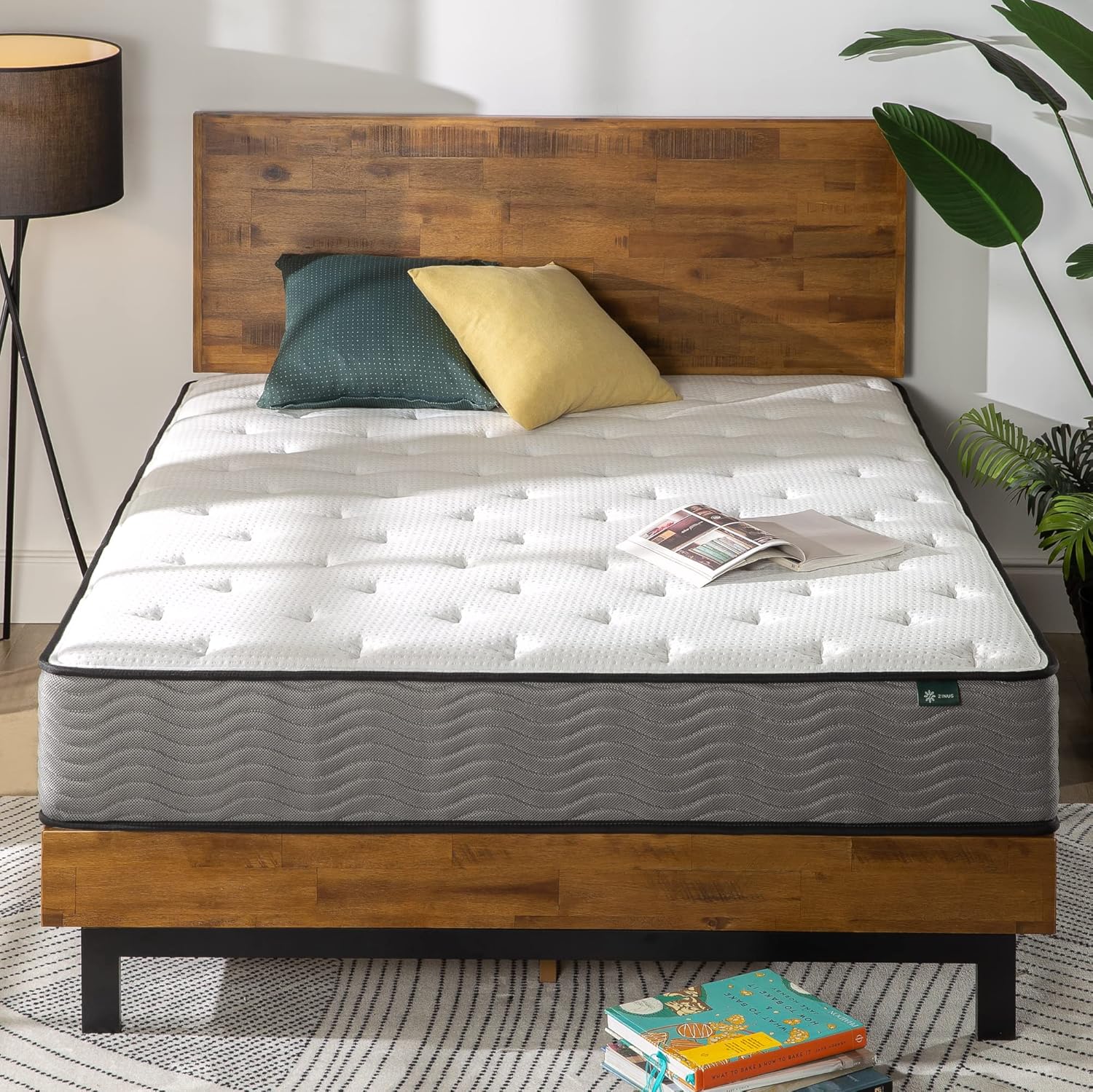
* Affiliate links to Amazon. We may earn a commission on purchases – at no extra cost to you.
Book Recommendation: The Sleep Bible
"Why We Sleep" by Matthew Walker* explains the science behind restful sleep – and why the right mattress plays a role. Also available as an audiobook on Audible*.
Frequently Asked Questions
Is a firm or soft mattress better for back pain?
How often should you replace your mattress?
What mattress firmness is best for side sleepers?
What does mattress firmness rating mean?
How do you know when a mattress needs replacing?
Read More:
Sources & Further Reading
- Jacobson, Bert H. et al. (2010): Effect of prescribed sleep surfaces on back pain and sleep quality in patients diagnosed with low back and shoulder pain. Applied Ergonomics, 42(1), 91-97. DOI: 10.1016/j.apergo.2010.05.004
- Kovacs, Francisco M. et al. (2003): Effect of firmness of mattress on chronic non-specific low-back pain: randomised, double-blind, controlled, multicentre trial. The Lancet, 362(9396), 1599-1604. DOI: 10.1016/S0140-6736(03)14792-7
- Consumer Reports: Mattress Ratings consumerreports.org
* Affiliate Links: Links marked with * are affiliate links. If you purchase through these links, we receive a small commission – the price for you remains unchanged.