Bedroom Humidity and Sleep: How Dry Heating Air Ruins Your Night's Rest
Scratchy throat, dry eyes, stuffy nose – every morning. The solution is often in the air.
Disclosure: This article contains affiliate links. If you make a purchase through these links, we may earn a commission at no extra cost to you. Learn more
Bedroom humidity is one of the most overlooked factors for sleep quality – especially in winter when heating runs all night. As soon as the heating starts, relative humidity in living spaces often drops below 30% – desert level. Our mucous membranes aren't designed for this. The result: restless sleep, scratchy throat, higher susceptibility to colds, and that groggy morning feeling despite enough hours in bed.
Why Is Humidity So Important?
The mucous membranes in nose and throat are our first line of defense against viruses and bacteria. When the air is too dry, they dry out, become cracked, and can no longer fulfill their protective function. Studies show: Flu viruses survive longer in rooms with low humidity.
For sleep this means: Dry mucous membranes promote snoring (airways narrow), lead to more waking up from thirst, and burden the immune system.
Optimal Humidity for Sleeping
Ideal is 40-60% relative humidity at 60-65°F (16-18°C) room temperature. A digital hygrometer* shows you where you stand.
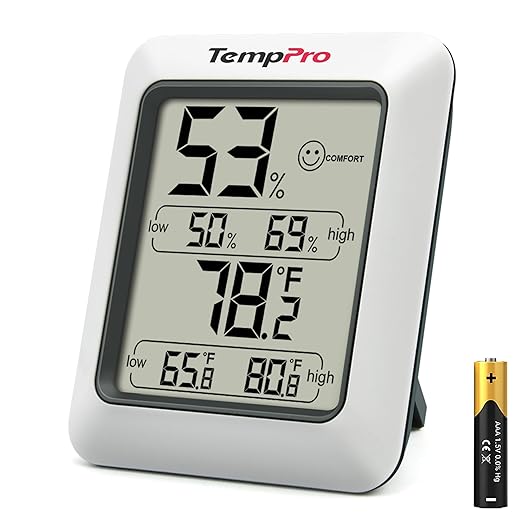
- ✓ Measures temperature and humidity
- ✓ Large, easy-to-read display
- ✓ Comfort indicator for room climate
- ✓ Magnetic back and stand
- Under 30%: Too dry – mucous membranes suffer
- 30-40%: Borderline – problematic for sensitive people
- 40-60%: Optimal for sleep and health
- Over 60%: Too humid – mold risk
Solutions for Dry Air
Simple Home Remedies
Before investing in technology, try these free methods:
- Dry laundry in the bedroom: A drying rack releases a lot of moisture
- Water bowls on the radiator: Time-tested but less effective in large rooms
- Plants: Houseplants slightly increase humidity and improve room climate
- Ventilate briefly and vigorously: Short bursts rather than keeping windows cracked
Humidifiers: Which Type for Whom?
Evaporative Humidifiers
With an evaporative humidifier*, water evaporates through filter mats, room air is drawn in and released humidified again.
- Advantages: Cannot over-humidify (self-regulating), energy-saving, quiet
- Disadvantages: Filter mats must be replaced regularly, slow humidification
Ultrasonic Humidifiers
An ultrasonic humidifier* turns water into fine mist using ultrasound and blows it into the room.
- Advantages: Fast humidification, affordable, often quiet
- Disadvantages: Can over-humidify, leaves white dust with hard water, hygiene risk if not cleaned properly
Steam Humidifiers
A steam humidifier* heats water and releases it as steam – like a quiet kettle.
- Advantages: Hygienic (germs are killed), no white dust
- Disadvantages: Higher energy consumption, hot water (burn risk with children)
Humidifiers Compared
Ad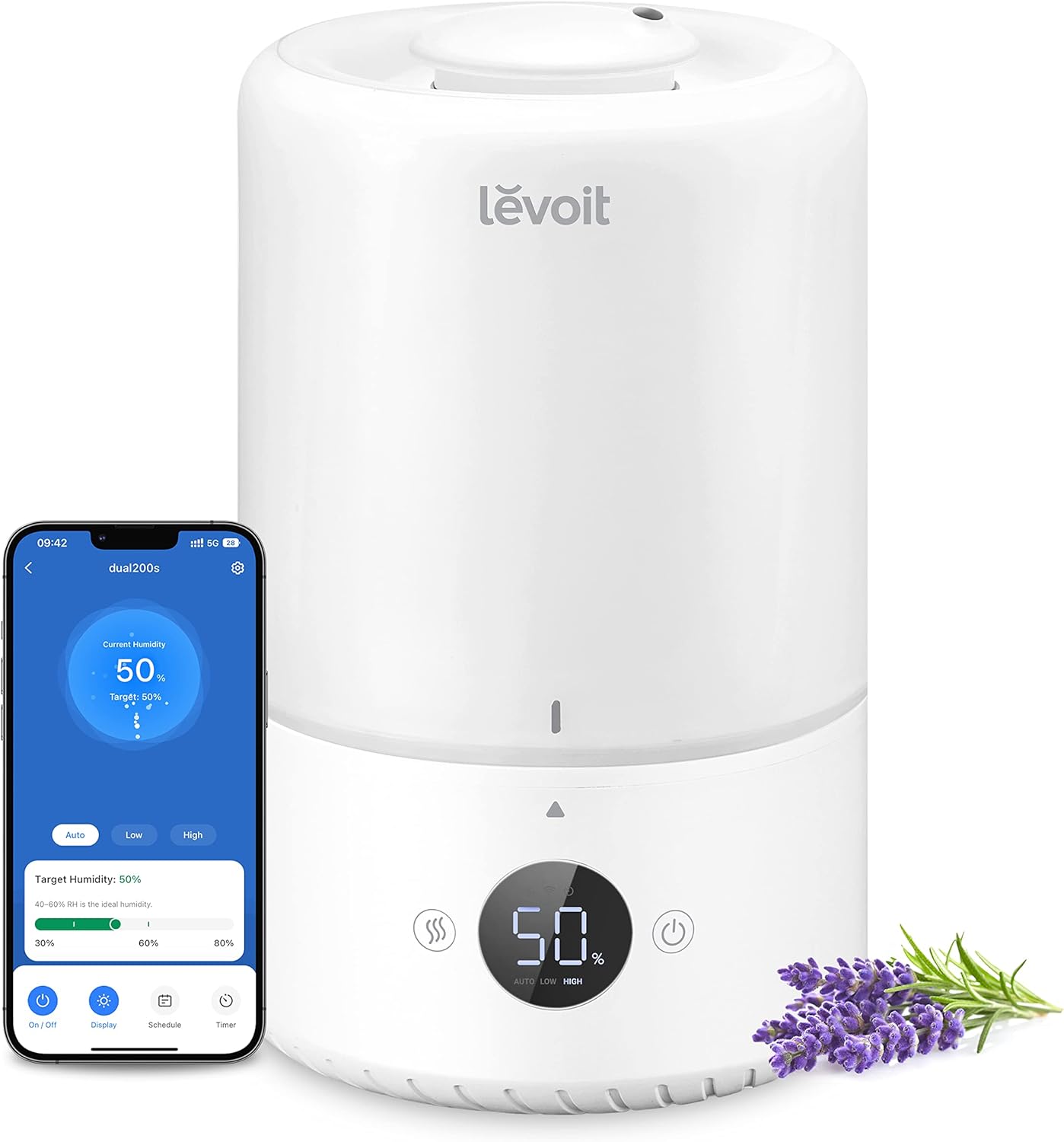
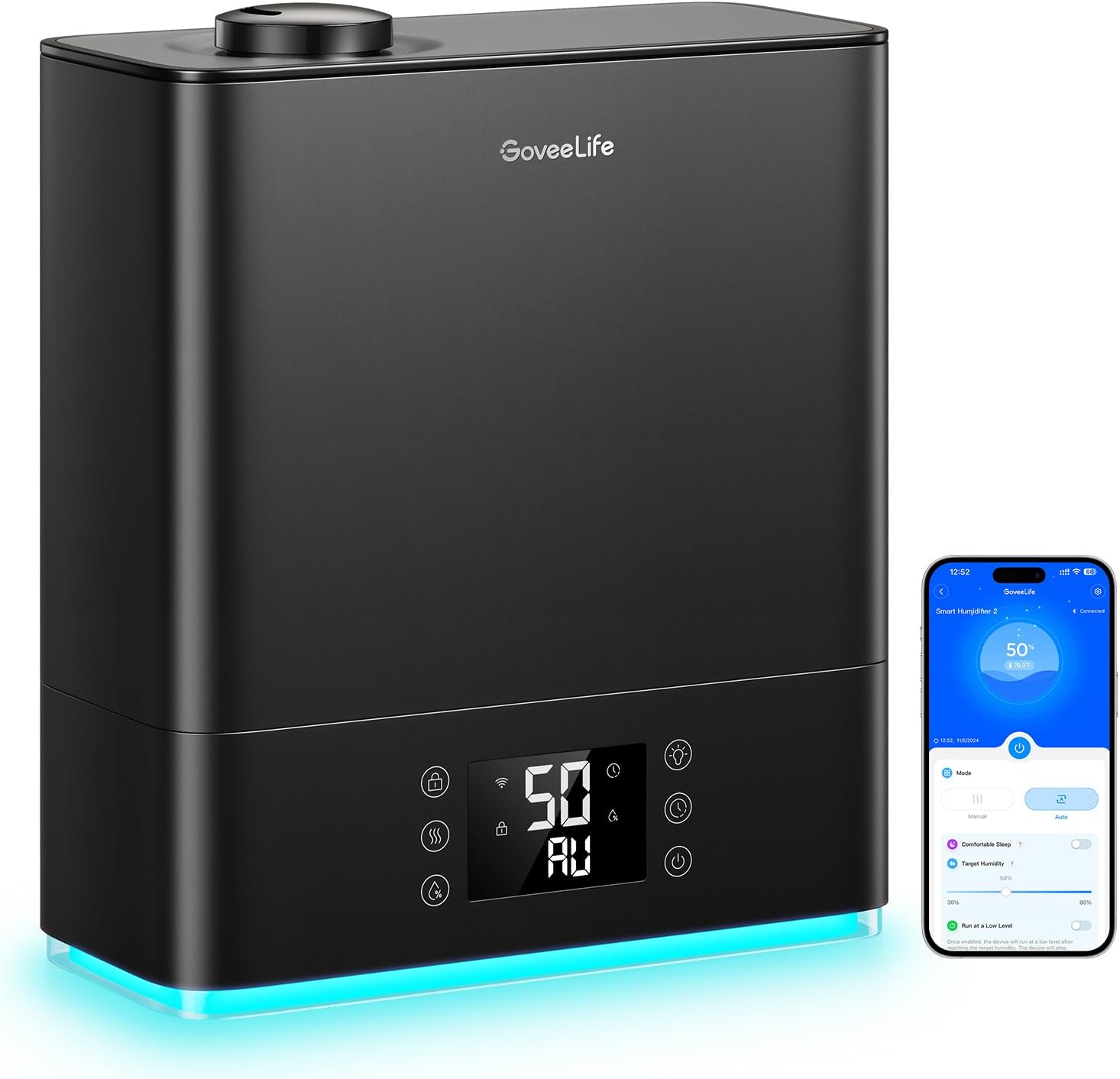
* Affiliate links to Amazon. We may earn a commission on purchases – at no extra cost to you.
Hygiene Is Crucial
A dirty humidifier becomes a germ distributor. Bacteria and mold are then distributed throughout the room with the water mist. Important:
- Empty residual water daily and let tank dry
- Clean thoroughly weekly
- Change filter mats according to manufacturer specifications
- For ultrasonic devices: use distilled water or water treatment
For Allergy Sufferers and Respiratory Conditions
Those suffering from allergies, asthma, or chronic respiratory conditions should consult a doctor before purchasing a humidifier. If used incorrectly, overly humid air can promote dust mites and worsen allergies.
Book Recommendation: Optimizing Your Sleep Environment
"Why We Sleep" by Matthew Walker* dedicates an entire chapter to the optimal sleep environment – including temperature and air quality. As an audiobook on Audible* – also easy to listen to in the evening.
Frequently Asked Questions
What is the ideal humidity for a bedroom?
Does dry air affect sleep quality?
How do I increase humidity in my bedroom?
Can high humidity also disrupt sleep?
Read More:
Sources & Further Reading
- Wolkoff, Peder (2018): Indoor air humidity, air quality, and health – An overview. International Journal of Hygiene and Environmental Health, 221(3), 376-390. DOI: 10.1016/j.ijheh.2018.01.015
- Shaman, Jeffrey & Kohn, Melvin (2009): Absolute humidity modulates influenza survival, transmission, and seasonality. PNAS, 106(9), 3243-3248. DOI: 10.1073/pnas.0806852106
- EPA: Indoor Air Quality epa.gov
* Affiliate Links: Links marked with * are affiliate links. If you purchase through these links, we receive a small commission – the price for you remains unchanged.