How to Become an Early Riser: 10 Tips That Actually Work (+ Wake-Up Light & Tools)
Waking up early isn't about willpower – it's about building the right conditions so your body stops fighting the alarm. These 10 tips get you there, with honest tool recommendations for each step.
Learning how to become an early riser isn't about suffering – it's a skill that almost anyone can develop. Waking up at 6 AM sounds like punishment, but people who've made it a habit report nearly the same thing: after 2–3 weeks it feels completely normal, and those quiet morning hours before the world wakes up become the most productive part of the day.
The key isn't iron willpower. It's creating the right conditions so your body experiences waking up as a natural transition rather than a violent interruption. Here are the 10 most effective methods – with concrete tool recommendations where they help.
Best Tools for Early Risers – Quick Comparison
If you want the product recommendations first: these are the five tools that make the biggest difference. Detailed tips with explanations follow below.
Top 5 Tools for Becoming an Early Riser
Ad* Affiliate links to Amazon. We may earn a commission on purchases – at no extra cost to you.
Tip 1: Shift Your Sleep Schedule Gradually – Not All at Once
The most common mistake: deciding on Monday to start waking up at 5 AM on Tuesday. Your circadian rhythm (internal clock) cannot be reprogrammed overnight. Forcing it leads to exhaustion and abandonment within days.
What works: Move your sleep and wake time earlier by 15 minutes every other day. Going from 8 AM to 6 AM takes about 2 weeks this way. That sounds slow – but the change sticks permanently.
Key insight: Your wake time is the anchor. Waking up at the same time every day – including weekends – stabilizes your rhythm faster than anything else. Sleep onset will follow automatically.
Tip 2: Use a Wake-Up Light Instead of a Shock Alarm
The single most impactful hardware upgrade. A wake-up light starts a sunrise simulation 20–30 minutes before your alarm time. Light suppresses melatonin, your body biologically prepares to wake – you transition from deep sleep to a lighter phase before the sound even starts.
The result: you wake up without the shock reflex. No sleep inertia, no reaching blindly for snooze. Especially in winter, when there's no natural sunlight in the morning, the wake-up light replaces what your circadian system is missing.
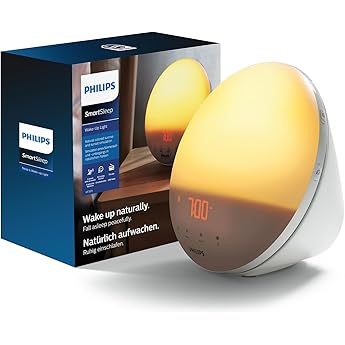
- ✓ 30-minute sunrise simulation
- ✓ 20 brightness levels
- ✓ Clinically tested for gentler waking
- ✓ Also works as a sunset sleep aid
Tip 3: Coffee Aroma as a Wake-Up Motivator
The smell of fresh coffee is one of the most powerful morning motivators – not because of the caffeine (that takes 20–30 minutes), but because of the conditioned response your brain builds. When getting up reliably leads to something enjoyable, your brain stops fighting the alarm.
The setup: Fill your coffee maker the night before and set the timer for 5 minutes before your wake-up time. When the wake-up light gently rouses you, the coffee is already ready and the smell fills the room.
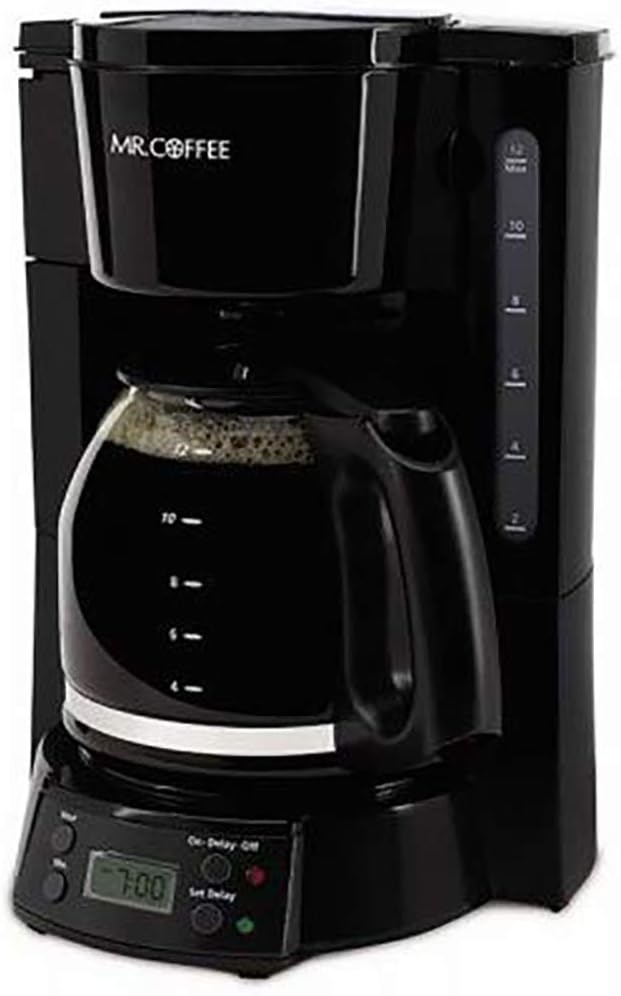
- ✓ 24-hour programmable timer
- ✓ Keep-warm function for 40 minutes
- ✓ Pause & Pour drip-stop feature
- ✓ Easy-to-clean basket filter
Tip 4: Track Your Sleep Phases with a Fitness Tracker
Waking up early feels unbearable when you're woken mid-deep-sleep. A fitness tracker with sleep analysis shows you the length of your sleep cycles (typically 90 minutes) and can wake you at the optimal moment within a time window.
Practically: you can see in black and white how much deep sleep you're getting and whether your sleep quality improves as you shift your schedule. That's the most objective feedback loop available for your early riser journey.
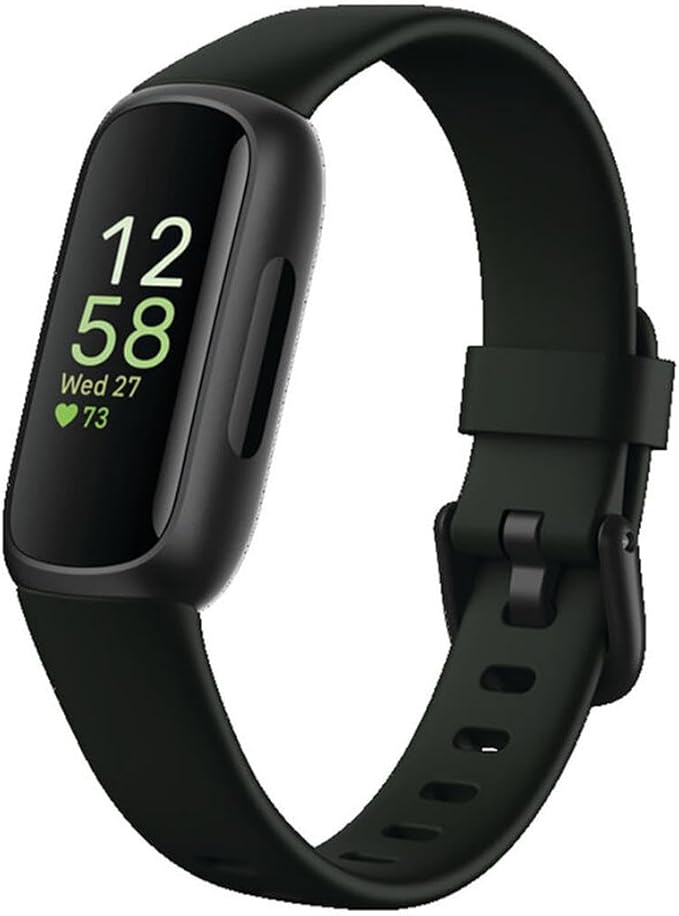
- ✓ Detailed sleep phase analysis (Deep, REM, Light)
- ✓ Smart alarm wakes you in a light phase
- ✓ Stress tracking & 24/7 heart rate
- ✓ Up to 10 days battery life
Tip 5: Reduce Blue Light in the Evening
Blue light from screens (phone, laptop, TV) signals to your brain: it's daytime. Melatonin production gets suppressed – you don't get sleepy, you can't fall asleep at your target time, and you oversleep in the morning.
Solution: blue light blocking glasses from 8–9 PM onward. You can also use Night Shift or f.lux on your devices – but glasses are more consistent because they work across all screens simultaneously.
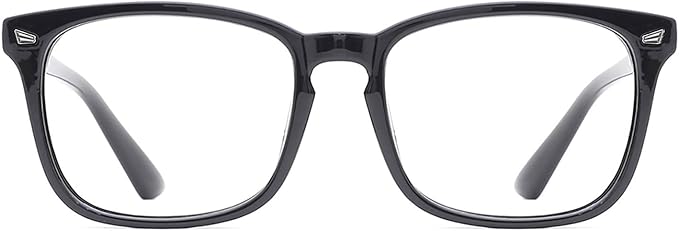
- ✓ Filters harmful blue light from screens
- ✓ Protects evening melatonin production
- ✓ Lightweight frame – comfortable for hours
- ✓ Unisex design, no prescription needed
Tip 6: Optimize Your Sleep Environment
Your bedroom should be 60–65°F (16–18°C) and 40–60% humidity. Too warm or too dry and you'll sleep lighter, wake more often, and feel unrefreshed – which makes early rising feel like punishment even when you get enough hours.
A hygrometer shows you at a glance whether your bedroom is in the right range. Most people are surprised by how far off they are.
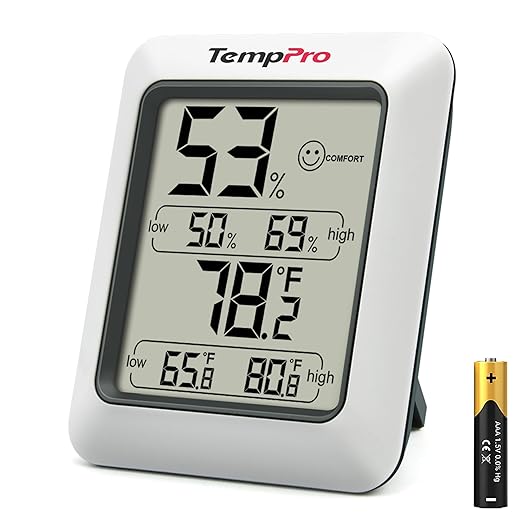
- ✓ Shows temperature and humidity simultaneously
- ✓ Comfort indicator: too dry / optimal / too humid
- ✓ Large, easy-to-read display
- ✓ Magnetic backing or freestanding
Tip 7: Sleep Mask for Earlier Bedtimes
If you want to wake up earlier, you need to sleep earlier. The problem in summer or urban environments: it's still bright outside or streetlights pour through the window. Your brain reads light as a stay-awake signal.
A good sleep mask creates complete darkness regardless of season or city lighting. Especially important in the first few weeks when your rhythm isn't yet established and every disruption counts.
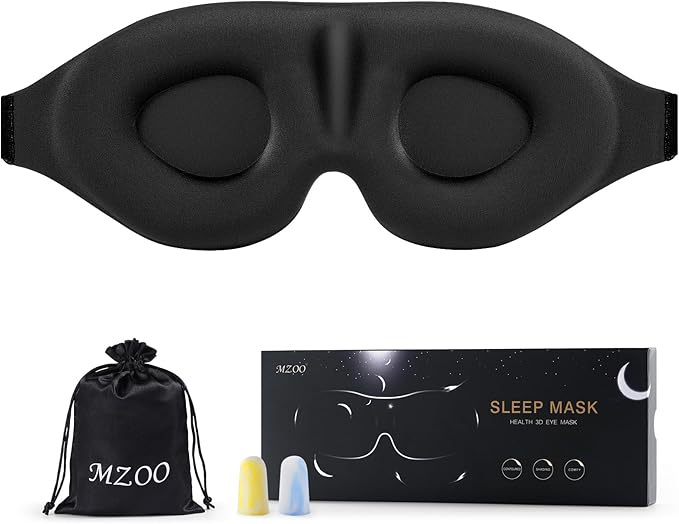
- ✓ 100% light blocking
- ✓ 3D contour doesn't press on eyes
- ✓ Adjustable strap for all head sizes
- ✓ Breathable, comfortable material
Tip 8: Light Therapy Lamp in the Morning – Energy Without Caffeine
Especially in winter: a 10,000 lux light therapy lamp at your breakfast table or desk powerfully signals "it's morning" to your body. 20–30 minutes is enough to boost cortisol, clear melatonin, and stabilize your energy for the whole morning.
Many early risers combine the light therapy lamp with their first coffee – the effects stack and the morning energy is noticeably better.
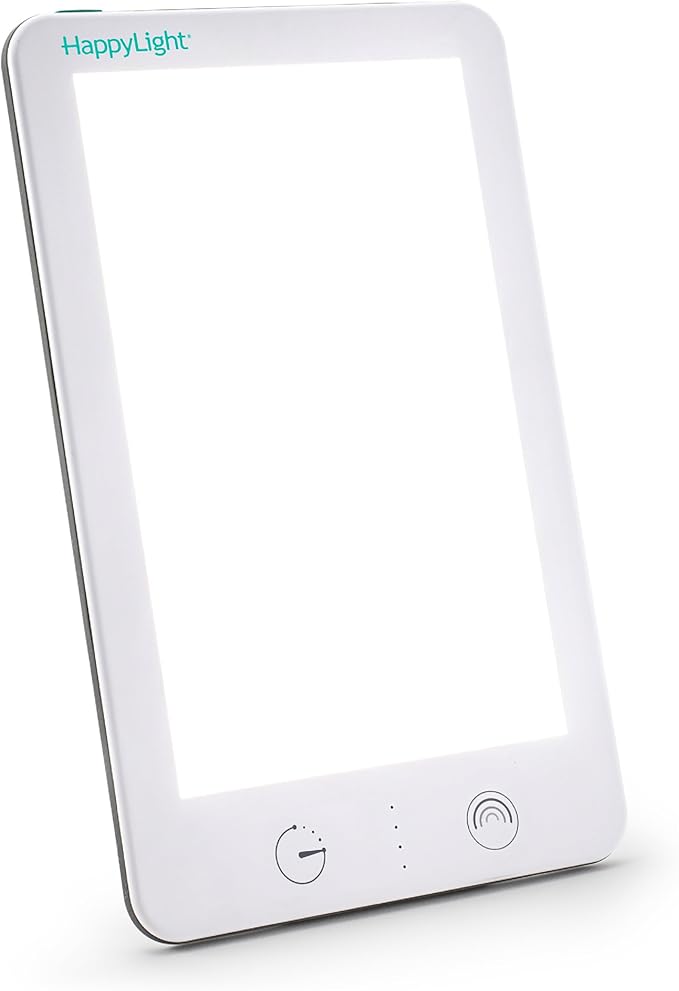
- ✓ 10,000 lux for full biological effect
- ✓ UV-free LED, flicker-free
- ✓ Adjustable brightness & countdown timer
- ✓ Compact enough for desk use
Tip 9: Don't Sit Down Right Away – Use a Standing Desk
Waking up and immediately sitting down tells your body: movement isn't needed. Sleep inertia lingers longer. Working at a standing desk for the first 30–60 minutes activates your circulation and alertness significantly faster.
Especially in home office: you actually gain those early morning hours rather than spending them in a groggy haze.
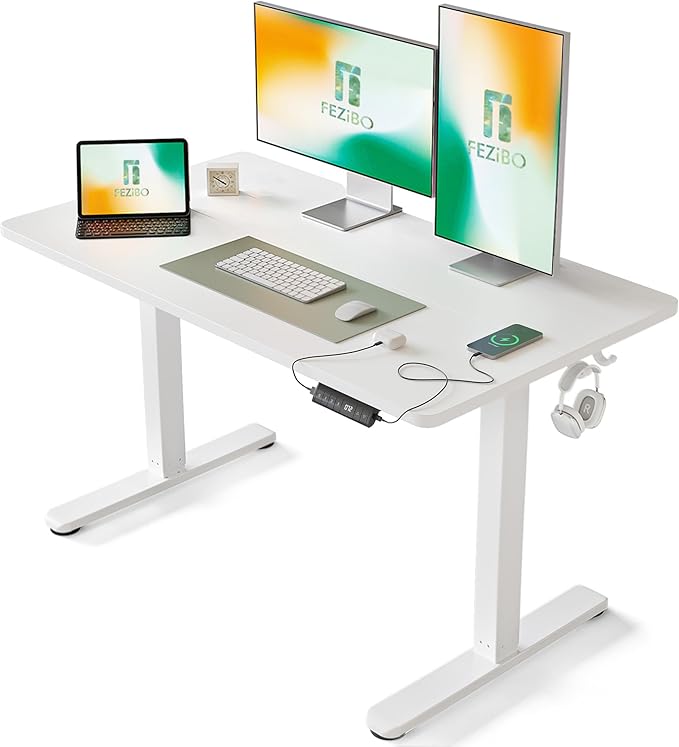
- ✓ Electrically height adjustable
- ✓ 2 memory presets
- ✓ 48 x 24 inch work surface
- ✓ Low-noise motor (<50dB)
Tip 10: The 5-Second Rule – Don't Negotiate
The last tip needs no product: decide in advance that you won't negotiate with yourself. When the alarm goes off, you get up – full stop. No evaluation of "am I rested enough?", no "just five more minutes".
The logic: Your half-asleep brain is a terrible decision-maker. It will always want more sleep. Don't let it vote. The decision "I get up at 6" must be made the night before – in the morning it's just execution.
Practical tip: Put your phone or alarm clock out of reach from the bed. Anyone who has to stand up to turn it off has already won half the battle.
Realistic Timeline: When Do You Become an Early Riser?
Move sleep time 15 min earlier every other day. Your body resists – that's normal. Set up your wake-up light.
Target time reached. Rhythm is stabilizing. Add blue light glasses, start tracking sleep quality.
Early waking feels normal. Use morning hours productively – standing desk, light therapy lamp, coffee ritual.
Frequently Asked Questions
Can you really become an early riser if you're a night owl?
Yes – with caveats. Chronotype (lark vs. owl) has a genetic component but isn't fixed. Research shows most people can shift their rhythm by 1–2 hours with consistent effort. Extreme night owls won't become 5 AM people, but 6–7 AM is achievable for most.
How much sleep do I need as an early riser?
Early rising doesn't mean less sleep. If you want to wake at 6 AM, you need to go to bed accordingly. Most adults need 7–8 hours – so that means lights out at 10–11 PM. Your body needs the hours regardless of when you take them.
What if I still can't get out of bed in the morning?
First: put the alarm out of reach. Second: add a wake-up light so the biological wake-up process starts earlier. Third: create a motivation anchor (coffee, an interesting morning activity). If nothing works, our guide to the best anti-snooze alarm clocks for heavy sleepers covers more radical solutions.
What is the single most important product for becoming an early riser?
The wake-up light. It intervenes directly in biology and makes waking up genuinely more pleasant – without requiring willpower. All other tools are additive, but the wake-up light is the foundation.
* Affiliate links: Links marked with * are affiliate links. If you make a purchase through these links, we receive a small commission – at no extra cost to you.