Coffee or Tea in the Morning: Which Wakes You Up Better?
Both contain caffeine, but work differently. A comparison.
Disclosure: This article contains affiliate links. If you make a purchase through these links, we may earn a commission at no extra cost to you. Learn more
Coffee or tea in the morning – the debate is as old as alarm clocks themselves. Both beverages contain caffeine but work in fundamentally different ways on your body and mind. Some swear by coffee, others by tea. Here's what the science says and how to find out which suits you better.
Caffeine Content Comparison
| Beverage | Caffeine per Serving |
|---|---|
| Espresso (1 oz / 30ml) | ~60-80mg |
| Drip Coffee (8 oz / 240ml) | ~95-165mg |
| Black Tea (8 oz / 240ml) | ~40-70mg |
| Green Tea (8 oz / 240ml) | ~30-50mg |
| Matcha (1 tsp) | ~70mg |
Coffee: The Quick Kick
Coffee works fast and intensely. The caffeine goes straight into your bloodstream and reaches peak effect after 30-45 minutes. The downside: It can lead to jitters, rapid heartbeat, and the notorious "caffeine crash."
For true coffee lovers, an espresso machine* or a automatic coffee maker* can be worth it. The quality of the coffee makes a difference.
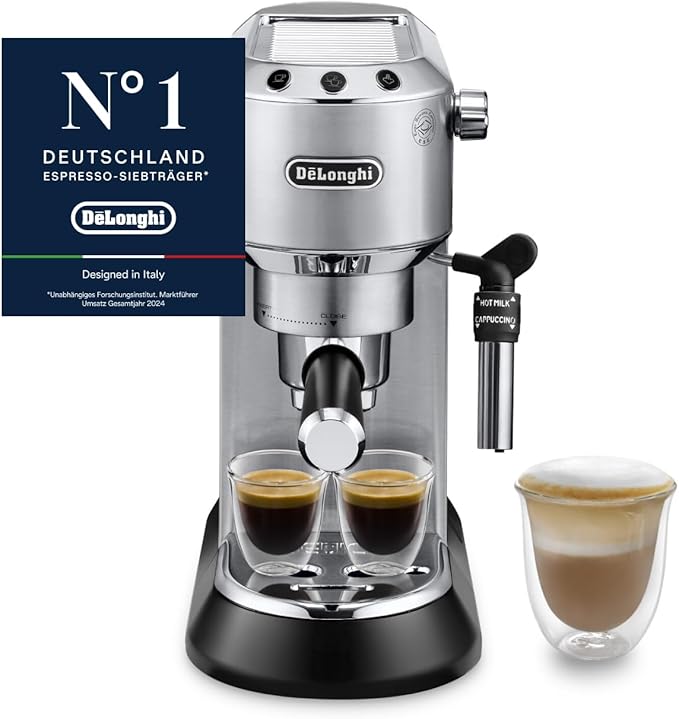
- ✓ Only 6 inches wide – fits any kitchen
- ✓ Professional milk frother
- ✓ Fast heat-up time (40 seconds)
- ✓ ESE pod-compatible for flexibility
Tea: The Gentle Wave
Tea contains L-theanine, an amino acid that "cushions" the caffeine. The effect is gentler, lasts longer, and causes less nervousness. Ideal for people who don't tolerate coffee well or prefer more even energy.
Matcha* is particularly interesting: It contains similar amounts of caffeine as coffee, but thanks to L-theanine, provides a more relaxed alertness.

- ✓ Organic certified from Japan (Uji, Kyoto)
- ✓ Premium quality for beverages
- ✓ Smooth energy without caffeine crash
- ✓ Rich in L-theanine for focus
When Coffee, When Tea?
Choose Coffee When:
- You need to wake up quickly (early shift, important meeting)
- You love the taste and have no side effects
- You only drink one cup a day
Choose Tea When:
- Coffee makes you nervous or causes stomach issues
- You want to stay alert evenly for hours
- You drink more than 3 cups a day
- You need caffeine in the afternoon but want to sleep at night
The Timing
Whether coffee or tea: Don't drink your caffeine right after waking up. In the first 90 minutes, your cortisol levels are naturally high. Caffeine works less effectively then and leads more to tolerance buildup.
Ideal: First cup 90-120 minutes after waking up. Last cup 6-8 hours before bedtime.
Product Categories to Browse
- Espresso Machines on Amazon* – for espresso lovers
- Cast Iron Teapots on Amazon* – for stylish tea drinking
- Matcha Sets on Amazon* – for getting started with matcha
Coffee vs. Tea: Products Compared
Ad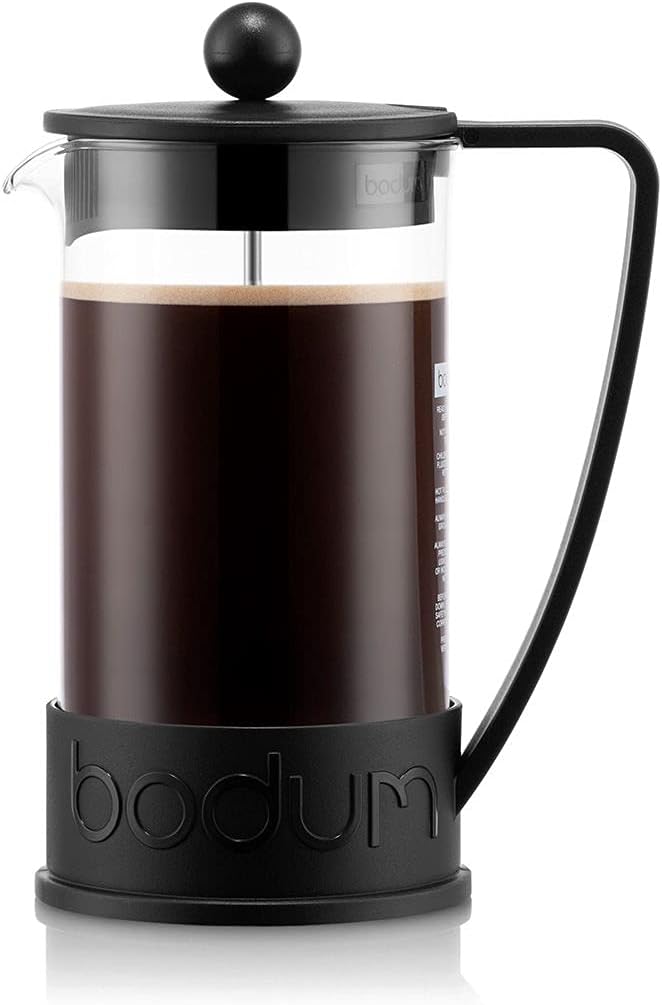
* Affiliate links to Amazon. We may earn a commission on purchases – at no extra cost to you.
Book Recommendations: Caffeine & Energy
More about the science behind caffeine and energy: "Why We Sleep" by Matthew Walker* also explains how caffeine affects sleep. For natural energy strategies, "Atomic Habits" by James Clear* is recommended. Both available as audiobooks on Audible*.
Sources & Further Reading
- FDA (2023): Spilling the Beans: How Much Caffeine is Too Much? fda.gov
- Dietz, Christina & Dekker, Matthijs (2017): Effect of Green Tea Phytochemicals on Mood and Cognition. Current Pharmaceutical Design, 23(19), 2876-2905. DOI: 10.2174/1381612823666170105151800
* Affiliate Links: Links marked with * are affiliate links. If you purchase through these links, we receive a small commission – the price for you remains unchanged.