Baby Sleep Aids: What Really Works When Your Baby Won't Fall Asleep
At 3 AM, nobody googles "sleep training theory." Here are practical solutions for exhausted parents.
Disclosure: This article contains affiliate links. If you make a purchase through these links, we may earn a commission at no extra cost to you. Learn more
Finding baby sleep aids that actually work is one of the most urgent tasks for new parents – because when the baby won't sleep, nobody sleeps. The sleepless nights are legendary and yet underestimated by every new generation of parents. "Sleep when the baby sleeps" sounds good, but doesn't help when the baby simply won't fall asleep. This article is for all parents who are barely holding on.
Important: Every baby is different. What works for one might not work for another. Try what fits your family. For persistent sleep problems, consult your pediatrician.
Why Babies Sleep Differently
Babies have shorter sleep cycles than adults (45-60 minutes instead of 90 minutes). After each cycle, they briefly wake up. Adults don't notice this and go back to sleep – babies need to learn this first.
In the first months, there's also no developed day-night rhythm. That develops around 3-4 months. Before then, nighttime waking is completely normal.
The Basics: What Really Matters
1. Recognizing Tiredness Cues
The "wake window" – the time a baby can stay awake without becoming overtired – is surprisingly short:
- 0-3 months: 45-90 minutes
- 4-6 months: 1.5-2.5 hours
- 7-12 months: 2-4 hours
Early tiredness signs: Looking away, yawning, rubbing ears/face. Late signs: Fussing, crying, hyperactivity. Then the optimal moment has already passed.
2. Creating Routines
Babies love predictability. An evening routine – always the same, always at the same time – signals to the body: Now it's sleep time. This can start even with newborns.
A simple routine: Bath → Pajamas → Nursing/Bottle → Song or story → Lay down. Duration: 20-30 minutes.
3. Differentiating Day and Night
Daytime: Light, sounds, activity – don't darken extra during naps. Nighttime: Dark, quiet, boring. During nighttime feeding/changing, minimize light and interaction.
Sleep Aids That Can Work
White Noise
It was loud in the womb – heartbeat, blood flow, digestion. Complete silence is unfamiliar for babies. White noise (or "pink noise") can soothe and mask light background sounds.
A white noise machine* can help here. Alternatively, Amazon Music Unlimited* offers endless lullabies and white noise playlists.
Important: Not too loud (under 50 dB) and not directly next to the ear. A phone with a white noise app also works.
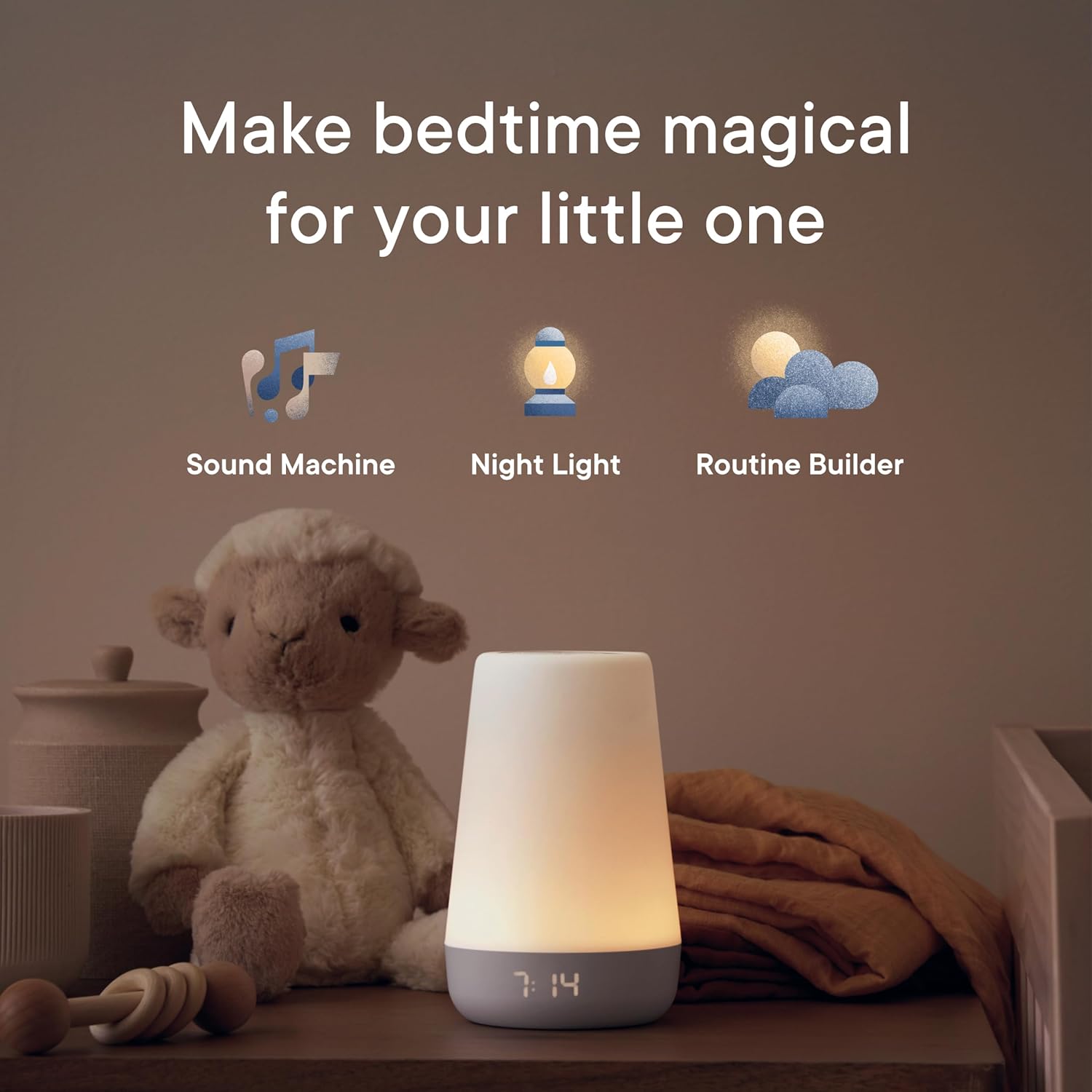
- ✓ Baby sound machine + night light in one
- ✓ Wi-Fi enabled, app-controlled
- ✓ Sleep trainer & routine builder
- ✓ Wide range of sounds and colors
Swaddling (In the First Months)
Tight wrapping can dampen the Moro reflex (startle reflex) that often wakes babies. A swaddle blanket* works well for newborns but should stop at the latest when the baby starts rolling over (usually around 3-4 months).
Movement
Rocking, carrying, car rides – movement soothes. A baby swing* or electric bouncer* can provide relief. The downside: The baby learns to only fall asleep with movement. At some point this becomes a problem.
Night Lights
For nighttime feeding and changing, a dim night light with red or orange light* can be helpful. Blue or white light suppresses melatonin production.
Pacifiers
Sucking soothes. Pacifiers can make falling asleep easier and are actually associated with reduced SIDS risk according to studies (the exact mechanism is unclear).
What Usually Doesn't Help
- Keeping them awake longer: Overtired babies sleep worse, not better
- Cereal before bed: No connection to sleeping through the night proven
- Sleep aids: Not suitable for babies, including "natural" ones
- Comparing with other babies: Only makes you unhappy
When to See the Pediatrician?
- Extreme crying for hours with no apparent reason
- Significant change in sleep behavior
- Accompanying symptoms (fever, vomiting, rash)
- Your own exhaustion reaches critical levels
For Parents: Survival Strategies
Your recovery is just as important as the baby's. A few realities:
- It's okay to safely put the baby down and take 5 minutes to breathe
- Take turns with your partner – in shifts, not "whoever hears first"
- Accept help (grandparents, friends, neighbors)
- This phase will pass. Really.
Baby Sleep Aids Compared
Ad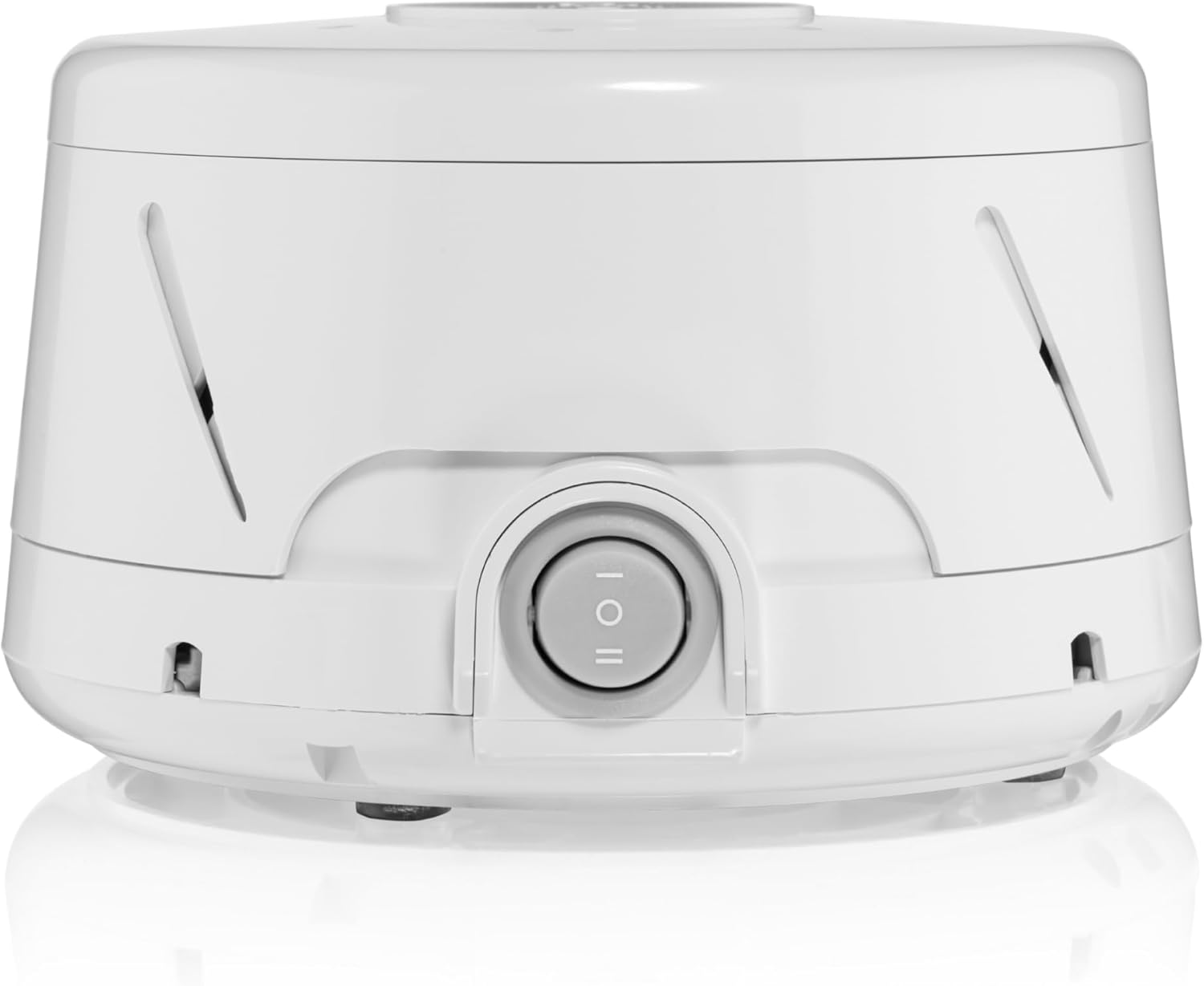
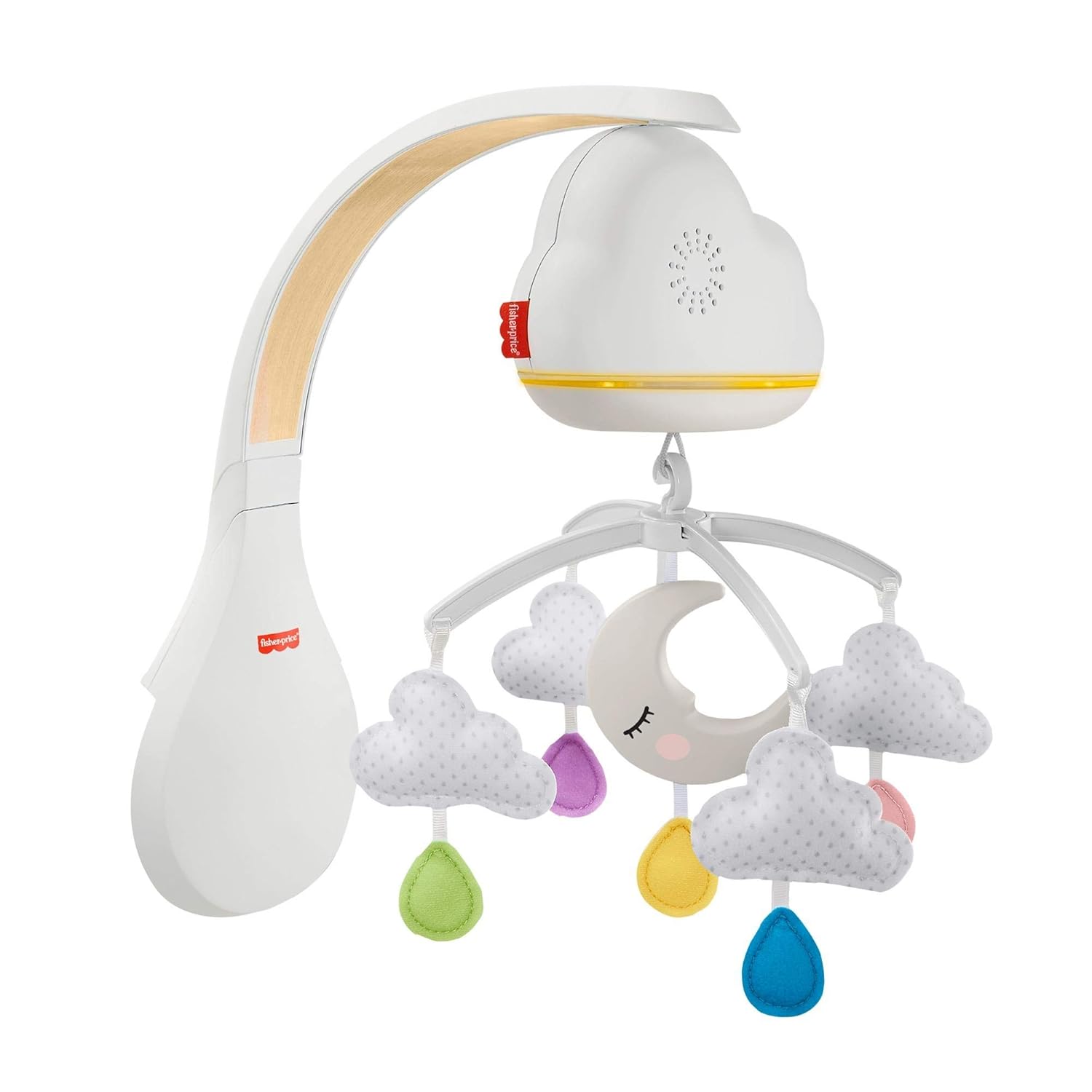
* Affiliate links to Amazon. We may earn a commission on purchases – at no extra cost to you.
Book Recommendations for Exhausted Parents
"Healthy Sleep Habits, Happy Child" by Marc Weissbluth* explains the science behind baby sleep and offers practical solutions. For gentle methods, "The No-Cry Sleep Solution" by Elizabeth Pantley* is recommended – gentle techniques without crying it out. Both also available as audiobooks on Audible* – perfect when you don't have a free hand for reading.
Help & Resources
- Pediatrician: Always your first point of contact for concerns
- Postpartum Support International: postpartum.net – support for struggling parents
- National Parent Helpline: 1-855-427-2736 (emotional support for parents)
Amazon Baby Registry
Create a wish list for everything baby needs – and share it with family and friends.
Create Baby Registry* →Amazon Kids+
For older siblings: Age-appropriate books, games, videos, and apps. Try 1 month free.
Try Kids+ free* →Frequently Asked Questions
What are the safest sleep aids for babies?
At what age can babies sleep through the night?
Does white noise help babies sleep?
When should I stop using a sleep aid for my baby?
Read More:
Sources & Further Reading
- Mindell, Jodi A. et al. (2015): Bedtime routines for young children: A dose-dependent association with sleep outcomes. Sleep, 38(5), 717-722. DOI: 10.5665/sleep.4662
- Spencer, J. A. et al. (1990): White noise and sleep induction. Archives of Disease in Childhood, 65(1), 135-137. DOI: 10.1136/adc.65.1.135
- American Academy of Pediatrics: Safe Sleep aap.org
- CDC: Infant and Toddler Health cdc.gov
* Affiliate Links: Links marked with * are affiliate links. If you purchase through these links, we receive a small commission – the price for you remains unchanged.